Boston Dynamics taps Alexa chief as CEO
Rohit Prasad, 12 years at Amazon and Alexa head scientist, takes over effective October 7.
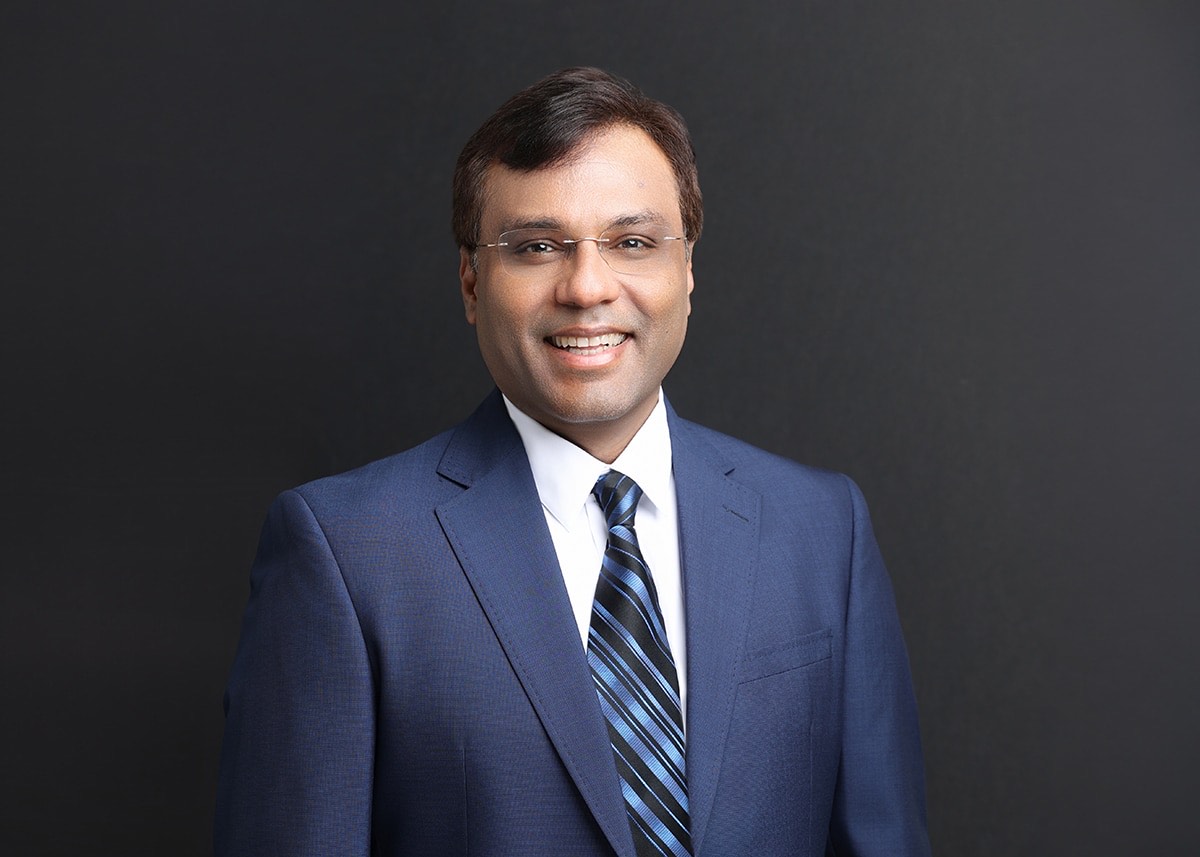
Boston Dynamics announced on October 6 that Rohit Prasad becomes chief executive officer, effective October 7. Prasad spent twelve years at Amazon, most recently as vice president and head scientist of Alexa, where he led the technical overhaul that turned the voice assistant into an LLM-backed product (Alexa+). He arrives at the Hyundai Motor Group-owned robotics company, which had been run on an interim basis by its CFO — a company whose commercial scale has never matched its fame across three decades of viral demos. Reuters and Bloomberg both carried the appointment as a top story. It is the first time in the company’s three-decade history — a brand built on backflip videos — that a software-background executive takes the top job.
Key points
- Appointment: Rohit Prasad becomes CEO effective October 7; previously run on an interim basis by the CFO
- Background: 12 years at Amazon, most recently VP and head scientist of Alexa; led the Alexa+ LLM overhaul
- Owner: Hyundai Motor Group, which took control in 2021 for about $1.1 billion
- Signal: a robotics company installs a consumer-AI productization executive at the top for the first time
- Sourcing: official announcement plus Reuters and Bloomberg
Why Alexa’s scientist’s scientist
Boston Dynamics builds the world’s most celebrated robot bodies and has never had a matching brain — Atlas’s autonomy long depended on choreographed demos. Prasad’s résumé targets exactly that gap — and Hyundai, which paid about $1.1 billion in 2021 for the combination of world-class mechanics and an unrealized intelligence story, knows precisely what it was missing: Alexa+ was the engineering project of putting an LLM behind a hundred-million-device voice interface — multimodal, low-latency, massively concurrent — which is the same capability stack a humanoid robot needs, minus the power budget — and Prasad led on-device model compression at Amazon, the discipline Atlas’ battery makes non-negotiable. Hyundai’s choice amounts to a public admission that the binding constraint is intelligence, not mechanics. The timing is equally legible: the humanoid funding wave (Figure, 1X, Unitree) has made “the brain gap” the core of valuation narratives, and Boston Dynamics — strongest body, weakest intelligence story among the famous names — needed a CEO who speaks LLM engineering fluently.
From Alexa+ to Atlas
Where robot talent comes from
The appointment is a data point in the industry’s talent flow: beyond the well-documented drain of researchers into frontier labs (see this autumn’s OpenAI safety-team turmoil), robotics companies are now hiring in the opposite direction — pulling “productized AI” leaders out of consumer giants — no longer researchers, but executives who ran nine-figure-user product lines. Compared with the funding heat around Chinese embodied-AI startups such as DeepSeek’s capital raise, the Silicon Valley read is more sober: install LLM engineering inside the robot company first, talk about scale later.
From Alexa+ to Atlas
The engineering problems overlap almost item for item: multimodal perception, streaming low-latency inference, hybrid edge-cloud scheduling, graceful degradation — the lessons Alexa’s team learned at hundred-million-device scale are the same tuition a robot pays on its way out of the demo room. Prasad also led on-device model compression at Amazon, directly relevant to Atlas’s far harsher power and thermal budget than any Echo.
A gear change from demo to delivery
For the industry, what to watch is the KPI shift: Prasad’s mandate at Alexa was serving hundreds of millions of users, while Atlas and Spot remain “stunning demos plus limited deployments.” Putting someone who has run AI at consumer scale in the chief seat signals a board that wants a delivery curve, not another viral video. The numbers to watch in the next report: commercial deployments of Atlas and Spot’s renewal rate. If neither moves in twelve months, this reads as PR; if they do, the robotics industry’s hiring map gets redrawn around consumer-AI veterans.