Microsoft 365 outage hid a hotel pool's chlorine alarm; 15 guests hurt
A dosing fault sent chlorine levels too high at Phantasialand's Hotel Ling Bao pool on Nov. 13, injuring 15 guests; the park says outage emails never arrived.
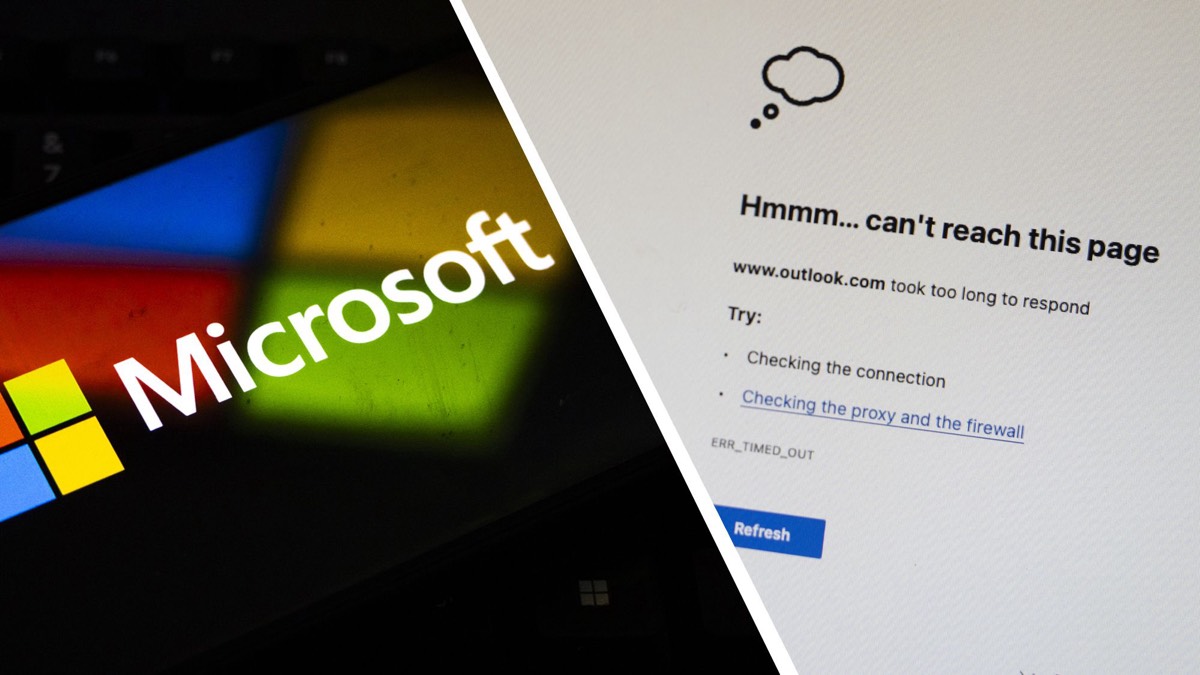
On the afternoon of November 13, 2026, chlorine levels at the pool at Hotel Ling Bao, inside the Phantasialand theme park in Brühl, Germany, rose far above the safe range. Brühl’s fire and rescue crews triaged 15 guests; four went to hospital and one stayed for observation with a moderate injury, and responders’ tests confirmed a fault in the pool’s automatic chlorine dosing system. Phantasialand told WDR the next day that no emails arrived during the Microsoft 365 outage, so the safety system’s warning never reached staff.
Key points
- Injuries: 13 guests first reported respiratory irritation, and the total rose to 15. Four went to hospital, a figure later corrected from five, and one remained for observation with a moderate injury, per WDR.
- The chain: a dosing fault pushed chlorine levels up; the maintenance safety system for the hotel’s sauna area sent an email alert; Phantasialand says no email arrived during the Microsoft 365 outage.
- The RCA: a July latent defect, extra load from a Teams failover and 14% of server capacity for its networking system offline combined into a server-to-server cascading failure, with about 80% of servers unresponsive at the worst point. Microsoft denies a cyberattack.
Background
The Microsoft 365 outage began with Exchange Online mailbox failures at 11:17 a.m. ET on November 12, a Thursday, and spread that afternoon to Outlook, Teams, Copilot, SharePoint and Intune. Microsoft declared recovery on November 14. Our November 14 entry on the outage covered the recovery and Microsoft’s initial explanation that an earlier network capacity upgrade had been exposed by a later change. This entry adds the two pieces that came after: the post-incident report available in its admin center, and the physical harm the outage caused in Germany.
The Phantasialand case turned on the alert path: the warning traveled by email. WDR reports that the maintenance safety system for the hotel’s sauna area had already sent a warning by email, but the park could not receive mail during the outage, so nobody knew the pool’s chlorine was too high. WDR’s report does not say whether the system also had SMS, phone or on-site audible alerts, and does not explain why no other checks caught the problem. What is confirmed is narrower: the email went out, and it did not arrive.
This is not the first time a cloud outage has reached the physical world. On October 20, a power event in Google Cloud’s London region knocked out 38 products and reached UK banks and courts. A month later, a Microsoft 365 outage disabled a hotel pool’s safety alert in Germany. The mechanisms differ; the common thread is that when one cloud service carries both communication and control, its availability stops being only an IT department’s problem.
The facts
Cross-checking WDR’s reporting from the scene, TechRadar’s account of Microsoft’s RCA and TechRadar’s citation of the Brühl fire department’s Facebook post, the verifiable specifics are:
| Item | Detail |
|---|---|
| When and where | Afternoon of November 13, 2026 (a Friday), at Hotel Ling Bao inside Phantasialand in Brühl, Germany |
| Injuries | 13 guests first reported respiratory irritation, rising to 15; four went to hospital (initially five, later corrected), one stayed for observation with a moderate injury |
| Response | TechRadar, citing the Brühl fire department’s Facebook post, says about 40 responders attended and 15 guests were triaged; WDR gives no responder count |
| Direct cause | A fault in the pool’s automatic chlorine dosing system raised chlorine levels sharply; responders’ tests confirmed it, the pool was closed and its water replaced, then reopened |
| Alert path | The hotel sauna area’s maintenance safety system sent an email; Phantasialand confirmed to WDR that no emails arrived during the Microsoft 365/Outlook outage |
| Microsoft RCA | Three factors: a July latent defect that overwhelmed Windows servers under certain loads; a Teams failover shifting traffic to a system shared with Exchange; 14% of server capacity for Microsoft’s networking system offline from an unrelated issue |
| Cascade | Automatic failover spread the load across fewer servers and spread the defect; at the worst point about 80% of servers were unresponsive, and a separate issue stopped Microsoft’s safeguards against cascading failure |
| Attribution | Microsoft calls it a technical issue, not a cyberattack; the admin center tracked follow-up as MO1550821, with Exchange Online as EX1550543 |
| Recovery | Microsoft reverted its code path to a previously good state, took servers offline in batches, deployed a patch, restarted and restored traffic gradually; the RCA is relayed by TechRadar, and Microsoft says the full report is published in its Microsoft 365 admin center |
One number needs a source note. WDR says fire and rescue crews responded but gives no headcount; the figure of 40 responders comes from TechRadar’s citation of the fire department’s Facebook post. The two outlets agree on the injury count: four hospitalized and one kept for observation, after the earlier figure of five was corrected.
What others say
Phantasialand’s statement to WDR is brief: no emails arrived during the outage. WDR lists the Rhein-Erft police and fire services, the Brühl fire department’s press release and Phantasialand marketing and sales director Birgit Reckersdrees among its sources. The fire department told WDR the pool reopened after the water was replaced.
TechRadar frames the incident around email as a safety dependency: the alert went by email, email was down that day, and nobody learned about the chlorine until guests felt sick. The outlet also notes that Microsoft’s post-incident report is available in the Microsoft 365 admin center and was relayed on Reddit. Its key quote from Microsoft is that failover “caused a cascading failure from server to server as the same amount of load was spread across fewer servers.”
Microsoft’s position is an explicit denial. In its incident updates and RCA, the company says it found no evidence of malicious activity and that this was not a cyberattack. It attributes the failure to the July defect, the added load from the Teams failover and the 14% capacity loss, and acknowledges that a separate issue prevented its cascade safeguards from working. Its public material does not fully answer why a safety alert traveled by email, or why the safeguards failed.
Our take
The most useful lesson is not the injury count but the alert design. Routing a safety warning through the same cloud email service that carries office mail ties “detecting danger” to “telling a human,” and when that link breaks, the warning might as well not exist. Operators of pools, boilers and server rooms should keep at least one path that does not depend on cloud email, whether SMS, voice calls, on-site alarms or a local controller that shuts the chlorine pump directly, and should rehearse who responds when email is entirely down.
For Microsoft 365 customers, the RCA is still a vendor’s account. The three-factor explanation is coherent and the 80% figure is specific, but the admission that a separate issue disabled the safeguards is the most important open item. If the protection against cascading failure can itself fail because of a separate issue, the same class of outage is not guaranteed to be a one-off. Whether Microsoft publishes the safeguards’ fix details, and whether they get independent validation, matters more than the apology issued during the incident.
The caveats deserve equal space. Half the causal chain comes from the park’s account to WDR: the email did not arrive, and the park confirms that. No source shows that a timely email would have prevented the exposure, and the time between the alert and any response has not been published. Fifteen is the number of people affected, not the number hospitalized; WDR describes respiratory irritation, while TechRadar and other English outlets use “chlorine gas poisoning.” The 40-responder figure also rests on a single relayed source.
What to watch
Three things are worth tracking. First, whether Microsoft publishes details on why its cascade safeguards failed and why a July defect escaped load testing; Microsoft’s public material does not yet give those details. Second, whether Phantasialand and Brühl’s fire service change how pool alarms are routed and staffed; the pool has reopened, but the water replacement and maintenance records are not public. Third, whether German regulators treat “a cloud email outage disabled a safety alert” as a reportable operational risk; as of November 16, no public investigation had been announced.