OpenAI, Blackstone and SoftBank form a data-center lobbying alliance with seven unions
The American Infrastructure Alliance counts OpenAI, QTS, SoftBank, Blackstone and seven unions as members, with first campaigns in seven states.
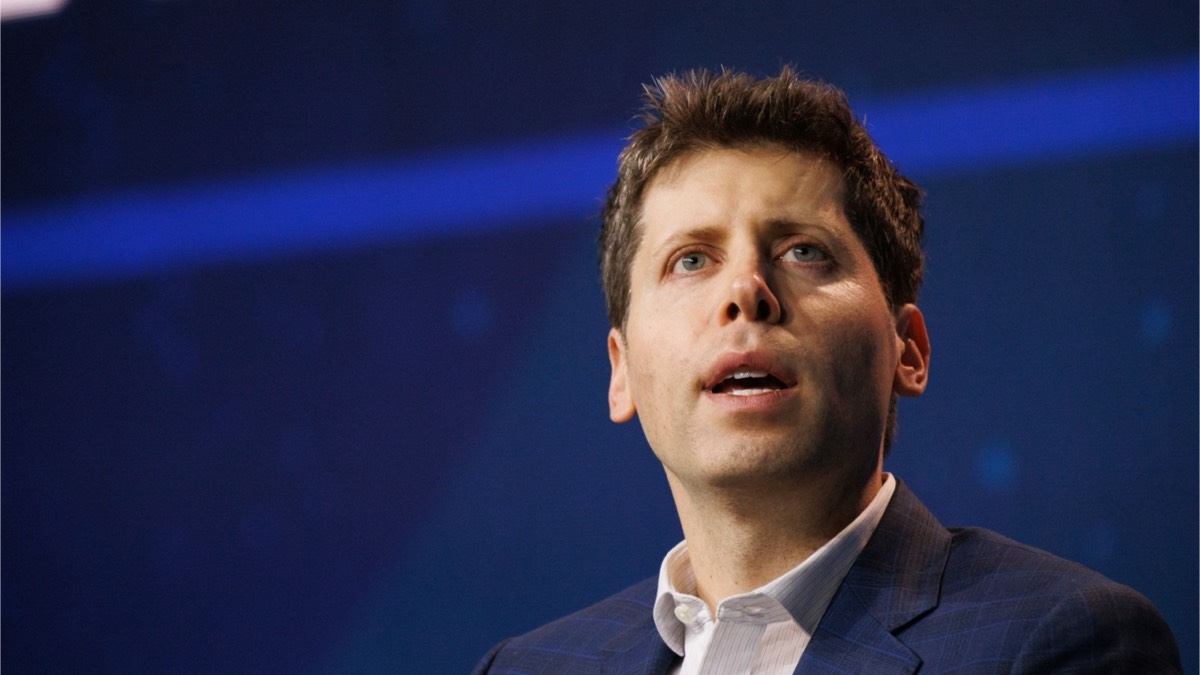
TechRadar reports the launch of the American Infrastructure Alliance (AIA): members include OpenAI, data-center operator QTS, SoftBank, Blackstone and seven building trades unions led by the IBEW — and its first job is stopping states and localities from blocking AI data centers.
The facts
- Members: OpenAI, QTS, SoftBank, Blackstone plus the IBEW (electricians), UA (plumbers/pipefitters), SMART, HFIAW (insulators) and Iron Workers.
- Goals: defuse local opposition, build union and public support, establish development “guardrails” in 2027.
- First campaigns: Texas, Georgia, Ohio, Iowa, Pennsylvania, Indiana and South Carolina.
- Union voices: SMART’s Michael Coleman wants “a seat at the table”; IBEW’s Kenneth Cooper says “blanket bans would set back our economy.”
- The backdrop: $130B in AI data-center projects cancelled or delayed in Q1 2026; 69% of Americans oppose local AI data centers (2026 poll); Sanders is preparing pause legislation.
- The critique: Food & Water Watch’s Mitch Jones counts only ~23,000 permanent data-center jobs nationwide as of 2024.
The political arithmetic of union buy-in
The anti-data-center coalition’s classic line is “power-hungry but job-poor”; with seven building trades inside the alliance, the construction-jobs card changes hands. AIA’s bet: redefine “AI data center” as “blue-collar infrastructure” and flip the polling before the midterms.
What it means for AI capacity planning
OpenAI alone is spending $30B on a 3.2GW Georgia site — the bottleneck for compute plans is moving from chips to power and land. AIA’s seven-state list is the de facto map of where US data-center capacity lands over the next 18 months.
Editorial take
Forming the alliance admits that political resistance is now a capacity constraint, isomorphic to the memory shortage and its 2028 queue. The critics’ “23,000 permanent jobs” is the hardest hit to answer — construction pays, operations employ few. Whoever wins this debate decides the geography of AI compute.
The union math behind the alliance
Seven building trades bring something OpenAI cannot buy with money alone: local crews in every state legislative district, and a construction pipeline measured in decades. The trades’ price is real — data centers must hire union labor, which raises build costs — but the alliance clearly judged that political cover beats marginal CapEx. For the tech members, it is the first time the AI buildout has organized labor as an asset rather than an obstacle.
What the seven states signal
Texas, Georgia, Ohio, Iowa, Pennsylvania, Indiana and South Carolina share two traits: cheap power and Republican legislatures. The alliance is pre-positioning where moratorium bills are likeliest to pass, and where a union endorsement flips the most votes. Expect the next Google/Meta/Anthropic data-center announcements to land in the same seven states — capacity geography follows political feasibility now, not just power prices.
The opposition’s counter-organizing is already visible: Food & Water Watch’s jobs number, Sanders’s pause bill, and local moratoria all frame data centers as extractive. AIA’s counter is construction-hours — real, unionized, and per-state. The fight will be won on whichever number lands first in local news cycles. Seven unions, seven states, one midterm calendar.
The alliance’s name says the quiet part: infrastructure, not intelligence, is what needs political protection now.
The alliance structure also spreads legal exposure: OpenAI fronting every local fight would read as a mega-corp land grab, while a construction-trades coalition arguing for jobs is a different visual. Whoever registered the name understood the assignment. For builders, the seven states are also a hiring map: union data-center construction means local talent pipelines worth recruiting from. AIA’s founding roster reads like a who’s-who of the buildout’s capital stack: compute buyer, operator, financier, and the people who pour concrete. The construction unions’ endorsement also complicates the environmental opposition’s labor-friendly messaging. The next data point will be which of the seven states passes a data-center bill with AIA fingerprints on it.