Memory shortage runs through 2028: Micron says 75% of 2027 output is already committed
Micron says supply-demand is "only getting tighter": 75% of 2027 output committed, talks cover 2028, and HBM takes 30% of DRAM capacity next year.
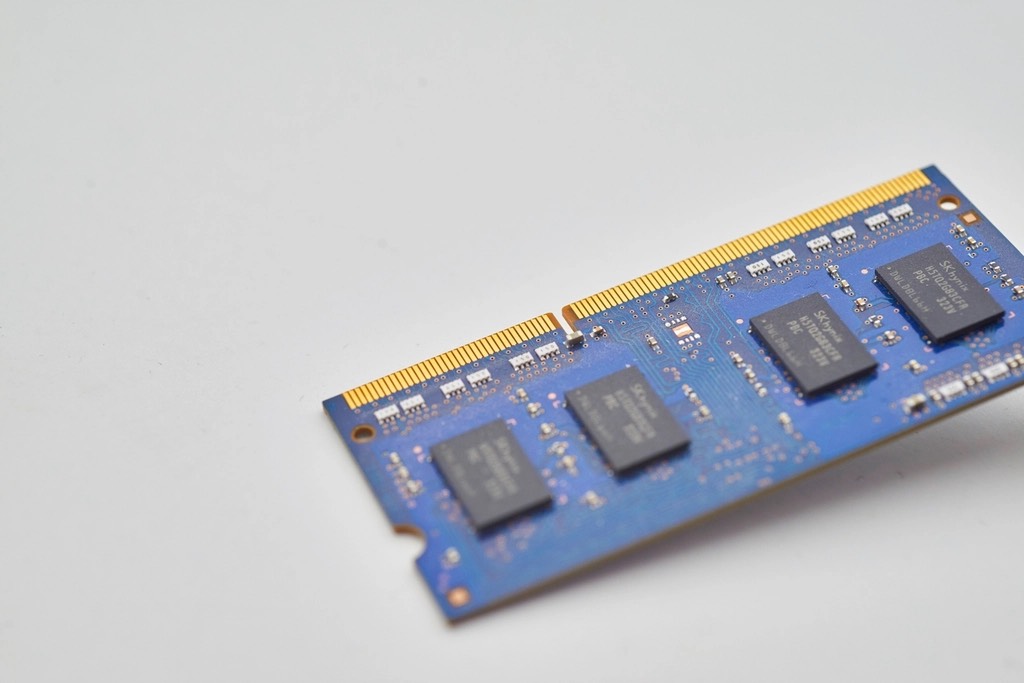
Micron CEO Sanjay Mehrotra put a hard date on the memory crunch on his FY2026 Q4 earnings call: “Overall, supply-demand environment is only getting tighter” — through 2028. Unlike the garbled translated numbers that circulated last week, this one rests on the call transcript and third-party capacity data.
The facts
- Micron: 75% of its 2027 memory output is already committed to customers; most sales conversations are now about 2028 volumes; HBM pricing in 2027 will be “much higher than 2026.”
- Samsung: EVP Kim Taewoo said (September 29, per Reuters) that HBM will consume nearly 30% of industry-wide DRAM wafer capacity in 2027, up from about 20% in 2026 — HBM and standard DRAM compete for the same wafers.
- Capacity reality: Micron’s new clean rooms open in 2028, with output ramping gradually; the HBM4/4E transition worsens the wafer trade ratio further.
- Buyer-side signals: Crucial exited consumer RAM (December 2025); memory is ~35% of HP’s PC BOM; Roku raised prices up to 60%; the Switch 2 got a price increase.
What it means for procurement
Consumers and SMBs have no capacity-locking leverage. The realistic options are ordering earlier, accepting longer lead times, or designing products around “sufficient” memory specs to hedge price. Data-center customers are already in annual lock-in mode — 2027-2028 pricing is being negotiated now.
Last week’s numbers, corrected
We declined to use translated figures on October 1 because “quarterly revenue of $54.2B, up 379%” exceeded anything in Micron’s history. Today’s version comes from the CEO’s own call plus Samsung’s capacity data via Reuters — two independent sources that agree. The direction (AI-driven memory scarcity) is confirmed; the magnitude is what this entry says.
Editorial take
Memory is the hidden prerequisite of every compute plan: GPU orders mean nothing without the RAM to light them up. CXMT’s expansion and DeepSeek open-sourcing its Ascend stack are supply-side hedges, but neither quenches 2027’s thirst. For procurement teams: promote memory from “a line in the BOM” to “a quarterly-tracked risk item.”
Why HBM makes it worse for everyone else
HBM sells at several times the per-gigabyte price of standard DRAM, so every wafer a fab points at HBM is a wafer not making DIMMs. Samsung’s 30% projection means standard-DRAM supply actually shrinks next year even if total wafer output is flat — the shortage is a mix problem, not just a demand problem. The HBM4 transition compounds it: each generation doubles the interface width and lowers yields during ramp.
Who eats the increase first
The order of impact is roughly: consumer memory (already gone from Crucial’s lineup), then budget PCs and consoles (HP’s BOM math, the Switch 2 price rise), then enterprise servers on annual contracts. Hyperscalers with pre-negotiated 2027 pricing are insulated until renewal — which is exactly why their negotiations moved to 2028 volumes. If your product roadmap assumes “memory gets cheaper,” that assumption expired sometime in 2024.
What buyers can actually do
Three moves remain for teams without hyperscaler leverage: lock 12-month supply agreements while suppliers still want the volume; design down — moving a product from 32GB to 16GB base configs caps exposure; and watch the spot market for the demand pause that always shows up before a correction. None of these fix 2027; they cap the damage.
A final note for planning discipline: memory executives have been wrong in both directions before — the 2022-2023 glut burned suppliers exactly as this cycle’s shortage burns buyers. Treat the 2028 horizon as a planning floor, not a prophecy, and keep a quarterly review of whether commit percentages and spot prices confirm or contradict the executives’ story.
Plan for tight, review quarterly.
And for anyone pricing hardware or infrastructure for 2027: quote validity on memory components is now measured in weeks, not quarters — write that into your procurement terms before your supplier does.