ESWIN lists in Hong Kong as a RISC-V first
ESWIN Computing, founded by BOE's Wang Dongsheng, listed on HKEX on October 9, raising about HK$2.5 billion as its first RISC-V stock; it remains loss-making.
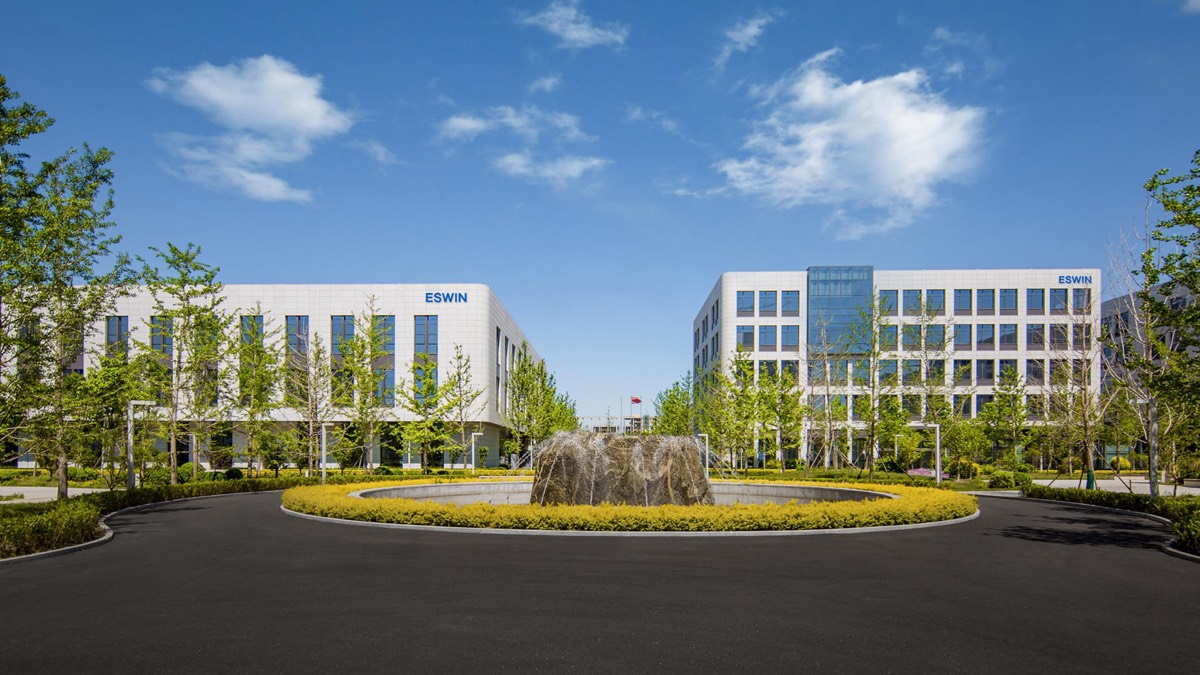
Beijing ESWIN Computing Technology listed on the Hong Kong Stock Exchange’s main board on October 9 — the first HKEX listing built primarily on RISC-V architecture chips. Per the completion announcement relayed by MarketScreener, the IPO raised about HK$2.51 billion, and Dealroom’s reporting puts the listing market value near HK$32.6 billion. The company was founded by Wang Dongsheng, the former BOE chairman credited with building China’s display-panel giant, and it remains unprofitable on 2.43 billion yuan of 2025 revenue. The open instruction set now has a public-market price.
Key points
- A first for RISC-V: a fabless designer whose strategy pitch is “RISC-V + AI,” selling into consumer devices, automotive, robotics and industrial control.
- Revenue up, losses on: 2023-2025 revenue ran 1.752 / 2.025 / 2.431 billion yuan (about 17.8 percent CAGR), with Q1 2026 at 494 million yuan, up 18.4 percent; media reports describe years of losses before the listing.
- Nvidia is on the cap table: per 36Kr, Nvidia took part in the company’s $400 million round in May.
Background
Wang Dongsheng’s resume is the key to reading this company: he built BOE into the world’s leading display-panel maker, stepped back in 2019, founded ESWIN, and — per multiple reports — has now made his third attempt at a public listing. The Hong Kong venue and the 2026 timing are both telling: RISC-V adoption is accelerating globally as licensees weigh ARM’s licensing model, while at home, Chinese memory-chip capacity expansion and the memory super-cycle have made homegrown silicon a hot market narrative. KrASIA’s coverage of the listing hearing noted HKEX’s growing tolerance this year for unprofitable hard-tech issuers.
The facts
| Metric | Figure |
|---|---|
| Listing date | October 9, 2026, HKEX main board |
| Raised | about HK$2.51 billion (announcement via MarketScreener) |
| Market value at listing | about HK$32.6 billion (Dealroom framing) |
| Model | Fabless chip design, “RISC-V + AI” |
| Technology base | as of March 2026: 620-plus IP modules, 20-plus series RISC-V cores, 1,740-plus patent applications |
| Customers | about 220 worldwide |
| Revenue | 2023/2024/2025: 1.752 / 2.025 / 2.431 billion yuan; Q1 2026: 494 million yuan (+18.4%) |
IT Home’s report adds the use of proceeds: chip R&D, the RISAA hardware-software platform upgrade, potential M&A, sales networks and RISC-V ecosystem building — two of the five items point directly at the ecosystem, an acknowledgment that RISC-V’s commercial bottleneck lives in software and tooling. DIGITIMES’ pre-listing supply-chain reporting flagged the mix shift toward automotive and industrial, order types with long cycles and steadier margins — the “predictability” portion of the listing story. One more listing mechanic worth noting: KrASIA reported cornerstone investors subscribed alongside the offering, a common Hong Kong anchor for unprofitable issuers, and the use-of-proceeds language gives the company room for small acquisitions — a signal that consolidation of the domestic RISC-V toolchain is part of the plan rather than an afterthought.
What others say
KrASIA frames ESWIN as the flagship sample of RISC-V commercialization while cautioning that its revenue remains orders of magnitude below ARM-ecosystem listed peers. DIGITIMES argues from the supply chain that the automotive and industrial share is the key valuation support, since consumer RISC-V ships volume at low unit prices. SCMP (via MSN syndication) previously reported a target of about US$300 million for the IPO, broadly in line with the final HK$2.51 billion. Chinese community discussion centers on the symbolism: the RISC-V camp has lacked a public-market valuation anchor, and ESWIN’s share price will now inform pricing for the next generation of RISC-V fundraises.
Our take
The long-term meaning outweighs the day-one move: an open instruction set now has a continuously updating public valuation curve, giving SiFive and RISC-V startups everywhere a comparable reference. Two things are worth tracking: the first quarter of trading alongside cornerstone-investor lockups, and whether the ecosystem spending turns “RISC-V + AI” from a pitch into shipments. Honest uncertainty: the market-value figure comes from Dealroom’s headline and may differ from the prospectus range; we found no consistent public figure for cumulative losses, so we cite none.