Nvidia CEO Jensen Huang departs, and AI startup funding gap opens up
Nvidia CEO Jensen Huang stepped down on Nov 12, with CFO Colette Kress as interim CEO; VCs expect smaller checks and lower valuations for AI startups.
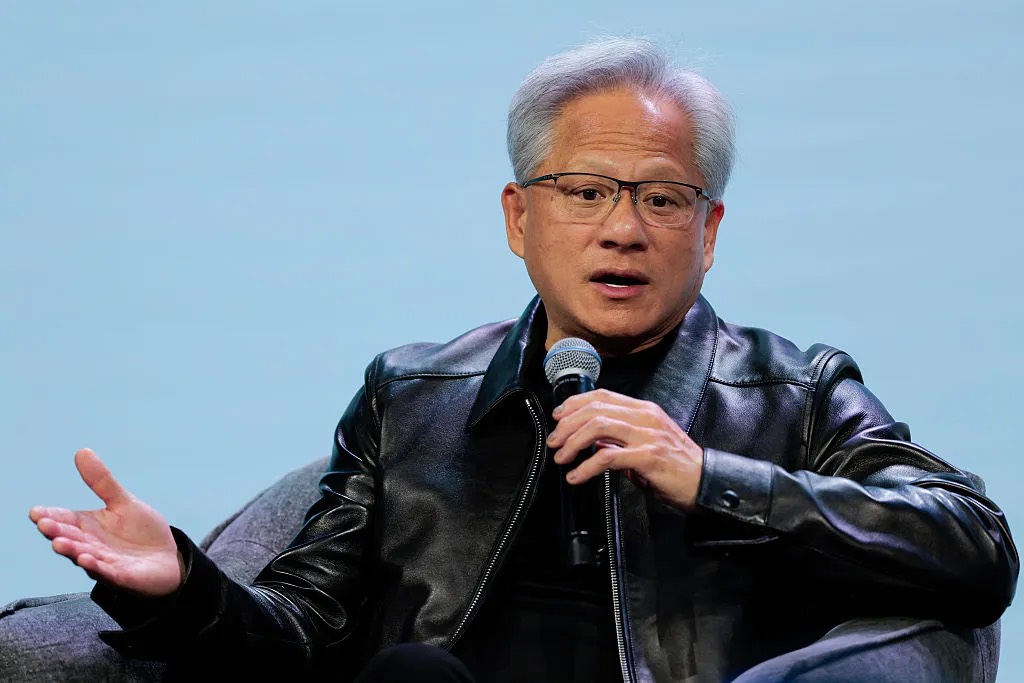
Nvidia announced on November 12 that founder and CEO Jensen Huang is leaving the company, with CFO Colette Kress stepping in as interim CEO. Per TechCrunch’s November 13 report, investors and founders are already repricing the funding environment: PitchBook data shows Nvidia took part in 105 funding rounds in 2026 alone, often as the single largest check in a round, and several VCs now expect smaller checks and lower valuations for the startups that depended on its capital.
Key points
- PitchBook counts 105 funding rounds with Nvidia participation in 2026, frequently as the largest investor; TechCrunch reports the company has been pouring tens of billions of dollars into startups annually.
- TechCrunch’s examples: Nvidia joined Crusoe’s $1.4 billion Series E; is buying Hugging Face for about $13 billion, expected to close in 2027; and last year put $800 million into Reflection AI’s $2 billion Series B, per the Wall Street Journal, before the open-source startup had meaningful revenue.
- Per the WSJ (as relayed by The Decoder), the ouster traces more to Nvidia’s financial-guarantee program — including a $250 billion guarantee, reportedly under negotiation, for an OpenAI data center in Ohio — than to the personal-life reports; Kress cut the OpenAI commitment in half, and Nvidia’s average stock multiple fell from 23 to 16 between May and October.
Background
Jensen Huang founded Nvidia and ran it for 33 years. His departure came less than a week after the board announced an independent investigation into reports that foreign intelligence had targeted the CEO (see our earlier coverage). TechCrunch links to several follow-ups on the CEO’s personal life, but the company has not fully explained why he left, and the media accounts so far are secondhand. Newcomer puts it bluntly: after the affair revelations, the board “didn’t have much choice” but to push Huang out.
The timing is awkward for more than Nvidia itself. Newcomer notes the exit landed days before Anthropic’s planned IPO — which it calls possibly the most consequential in history — and a week after reports that Commerce cleared Nvidia H200 shipments to a shell company, adding governance questions on top of export-control ones.
The facts
The verifiable numbers sit in TechCrunch’s report. PitchBook counts 105 rounds with Nvidia participation in 2026. Nvidia joined two Crusoe rounds including a $1.4 billion Series E. The Hugging Face acquisition is priced at about $13 billion and expected to close in 2027. In Reflection AI’s $2 billion Series B last year, Nvidia wrote an $800 million check, per the Wall Street Journal — at a point when the open-model startup had little revenue. TechCrunch also describes the Huang-era financing convention: infrastructure startups needing $100–500 million in GPUs often raised half at $1 billion-plus valuations directly from Nvidia just to get started.
| Deal | Number | Source |
|---|---|---|
| Rounds with Nvidia participation, 2026 | 105 | PitchBook (via TechCrunch) |
| Crusoe Series E | $1.4 billion, Nvidia joined | TechCrunch |
| Hugging Face acquisition | ~$13 billion, expected to close 2027 | TechCrunch |
| Reflection AI Series B | $800M of a $2B round | WSJ (via TechCrunch) |
| OpenAI guarantee | $250 billion (Ohio data center) | WSJ (via The Decoder) |
| Stock multiple | 23 to 16, May through October | WSJ (via The Decoder) |
On the reason for the ouster, per the WSJ as relayed by The Decoder: Nvidia under Huang offered AI cloud providers and data-center developers billions in financial guarantees so they could afford Nvidia chips, taking a revenue share in return. The largest, reportedly still under negotiation, was a $250 billion guarantee for an Ohio data center; Nvidia stock fell 5% the day it became public. Kress, as CFO, had internally questioned how those guarantees were valued and cut the OpenAI commitment in half, with the reduced deal signed in August. All of this is media relay, not a company explanation — the WSJ original is paywalled, so treat it as attributed reporting.
What others say
The VCs TechCrunch interviewed worry about the gap almost uniformly. Maria Davidson, founder of Relational Capital: “If that direction changes, it’ll be a big blow to so many young companies.” Shamillah Bankiya of Dawn Capital says “Nvidia is carrying almost every AI-native startup from application to neocloud,” and Umesh Padval of Seligman Ventures recalls that “when Nvidia was on the cap table, everyone felt safe.” An anonymous investor calls Kress “much more conservative” and doubts she will commit the same money to the early-stage ecosystem.
Not everyone sees only loss. Zain Javaid, co-founder of Ghost, credits Huang’s initiatives for the ecosystem existing at all. Dharmesh Thakker of Battery Ventures expects Big Tech rivals to compete for Nvidia’s investment role on product, ecosystem (against CUDA) and financial power — though he doubts any will fund pre-revenue infrastructure startups at Nvidia’s scale.
Newcomer, reporting from the Cerebral Valley summit, captured a different mood. Databricks’ Ali Ghodsi called it “a blow to everything, every player, except their direct competitors,” because Nvidia “were the backbone of the whole ecosystem.” General Catalyst’s Hemant Taneja instead praised the board for “doing something difficult, upholding their fiduciary duty,” and argued a weaker Nvidia could increase chip competition. In a hallway poll, 80% of attendees said we are in a bubble — though most placed the reckoning next year or later.
Our take
For infrastructure startups that modeled their raises on Nvidia co-investing half the round, this is a concrete risk, not a headline: if the interim leadership pulls back on investments and guarantees, those models break, and valuation expectations reset downward. Two cautions when reading the coverage. First, the reason for the ouster rests on one paper’s sourcing relayed by others; personal life, governance and the guarantee program are tangled together, and Nvidia has not given a full account — keep the attribution. Second, The Decoder notes CNN’s reporting that the spying allegations against Megaspeed executive Alice Huang rest on shaky ground, so the facts that triggered the board investigation are themselves contested. What to watch next: Kress’s first investment moves. Whether she extends or shrinks Nvidia’s startup financing answers the question every VC in these stories is asking.
For the governance side of the same story, see our coverage of the board investigation; for the export-control angle, see the H200 shell-company report.