Sean Parker rebuilds Stability AI around music, with the three major labels aboard
Under Parker, Stability AI becomes a music AI toolmaker: a $76M round with Sony, Warner and Universal, catalogs licensed, three audio models shipped.
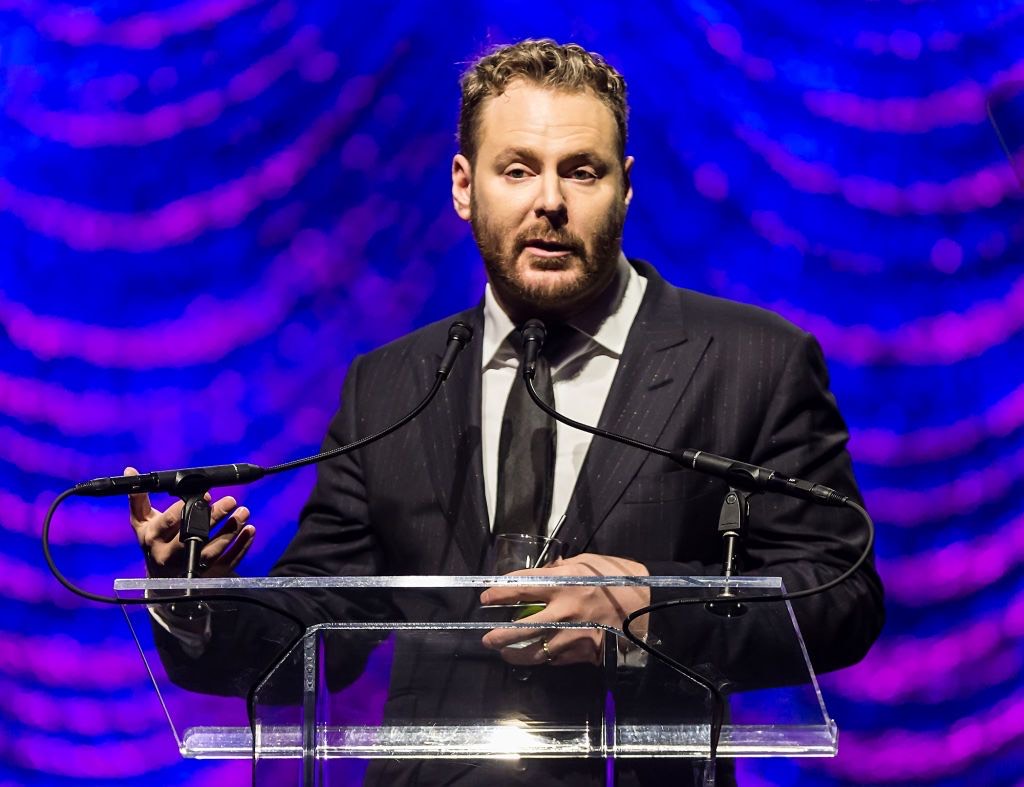
TechCrunch, drawing on The Information, details the rebuilding of Stability AI under Sean Parker: away from image generation, toward being “the leading AI toolmaker for music professionals.”
The facts
- Governance: Parker led an $80M rescue in June 2024 and installed Prem Akkaraju as CEO; founder Emad Mostaque left after an overspending turmoil, and a co-founder sued claiming he sold his stake for $100.
- Funding: a $76M round announced in late August with Sony, Warner and Universal participating.
- Licensing: the major labels’ catalogs are licensed for training — the opposite of the scrape-first-sue-later image era.
- Product: three audio models and an AI music-editing software have shipped; hum/beatbox-to-guide generation is coming.
- Parker’s framing: “playing by the rules” this time — the Napster-era “ask forgiveness” approach “didn’t work out well.”
- The image line: what happens to Stable Diffusion is not addressed in the piece.
From Napster to playing by the rules
Parker’s career was defined by Napster — the lawsuits proved what spread-first-negotiate-later costs. Stability’s music line is the anti-Napster route: license first, split revenue, then train. The labels investing says the model works commercially; the cost is innovation speed bound to licensing negotiations.
The market effect
Unlicensed players like Suno and Udio now face a strengthened counterargument: the labels have a cooperating alternative, which makes suing the refusals cheaper politically. The market structure may replay the streaming era — a licensed major-label ecosystem absorbing the gray zone.
Editorial take
Stability’s story is now a case study in the price of founder error: the Mostaque-era burn and lawsuits took the company to a $100 stake sale, and Parker spent three years proving that the right rhetoric (rules first) plus the right allies (three majors) buys back a seat at the table. The silence about the image business is the biggest unanswered question; compare ElevenLabs’ tender-priced rise — the audio-generation market is stratifying fast.
The licensing-as-moat argument
Signing all three majors converts the biggest legal risk into a barrier to entry: any competitor that trains unlicensed now faces labels with both a working alternative and an incentive to sue. Suno and Udio’s pending litigation becomes the enforcement arm of Stability’s business model. The counter-argument is that licensed catalogs constrain what the models can generate — Stability is betting professionals want safety and provenance over edgy capability.
What professionals actually get
The shipped products — three audio models plus an editor — target studio workflows: stems, guide tracks, arrangement assistance. Hum-to-guide and beatbox-to-guide point at the demo-to-production pipeline, where session musicians and arrangers live. If Stability prices like a plugin rather than a token API, it slots into existing DAW budgets; that distribution through the labels’ artist relationships is the asset most rivals cannot copy.
The team composition tells the strategy too: Akkaraju came from the film world, Parker from Napster/Facebook network thinking, and the label deal is the distribution thesis. Stability is no longer trying to out-train anyone; it is trying to out-clear them — a completely different company than the one that defined open image generation in 2022. The image business’s fate remains the subplot nobody is narrating.
The $76M round is small by AI standards — deliberately: licensed music models need less compute than frontier LLMs, and the labels’ catalogs are the moat, not the parameter count.
For artists, the practical question is compensation mechanics: the label deal means royalties flow through collection societies rather than direct opt-outs, which is both easier to administer and easier to game. How the three majors split the $76M-backed upside with their rosters will decide whether artists treat AI tools as instruments or adversaries. Parker’s own framing is the strategy summary: Napster proved demand; licensing proved you can be paid for it.