Design#Coding agent#Prompts#Image generation
gc-minimal-zine-poster-v0-3: makes Codex build a quiet paper-texture poster
A Codex skill from LiamGvchi that compresses a theme, sentence or reference set into a sparse paper poster with one colour accent, or a reusable image prompt.
Skill details
npx skills add LiamGvchi/gc-minimal-zine-poster --skill gc-minimal-zine-poster-v0-3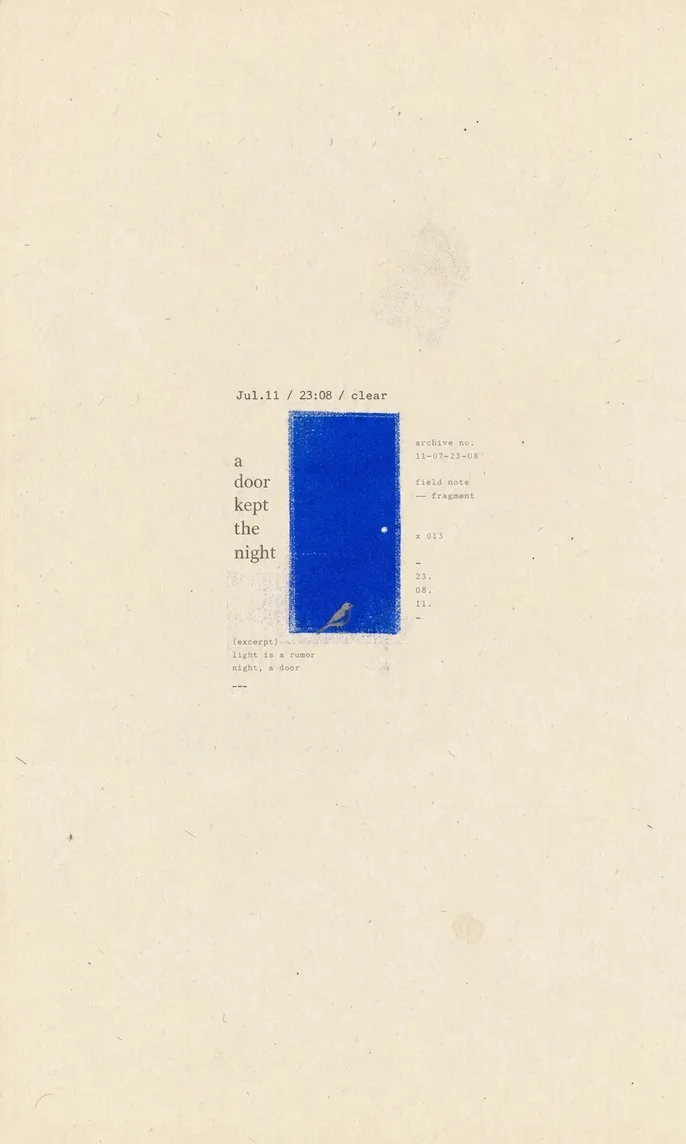
Asking an image model for a poster usually gives a crowded layout, with a headline, an illustration and decoration all fighting for room. gc-minimal-zine-poster works the other way round. It pushes the picture toward the minimum: a default 3:5 aged-paper canvas, 70 to 90 percent negative space, one small subject or visual event that can be drawn, and one clearly visible high-chroma colour accent. The repository belongs to LiamGvchi, and its v0.3.1 release splits requests into five routes: generation, photo input, reference analysis, prompt-only, and analyse-then-generate.
How it works
A theme, a sentence or an article idea goes through the generation route by default. The skill finds a visual metaphor, compiles it into a prompt, generates the raster and then inspects the result.
A supplied photograph is treated as an input with a role and a preservation level, not as loose inspiration. The image goes into generation, and the check covers both the poster and whether the source photo survived.
A set of reference images goes through analysis first. The output is the set of rules that stay fixed and the ones that vary, plus a reusable prompt. An image is generated only when asked for. A request for only the prompt returns a four-paragraph prompt and a recipe, and says plainly that no image was made.
Version 0.3.1 fixes a specific problem: an abstract composition term was read literally, and the model drew an unrelated nautical icon. Prompts now have to name the visible carrier, such as a photo crop, a paper cutout, an ink block, a specimen or a printed illustration, and the quality gate checks for unrequested icons.
The usage is direct. A request such as Use $gc-minimal-zine-poster-v0-3 to make a poster about a rainy secondhand bookstore. goes through generation. To analyse a folder of references without making an image, ask for the analysis and say you want fixed and variable rules separated.
What it constrains
- Layout: a 3:5 sheet with most of the area left empty, and no long blocks of clean body text.
- Texture: serif, typewriter or monospaced type, with xerox, risograph, halftone or letterpress flaws. No glossy mockups, cinematic lighting, 3D rendering, neon or dense scrapbook collage.
- Colour: one clearly visible accent at high saturation.
- References: the skill extracts the rules of a reference set without copying its identity or layout.
Who it’s for
It suits anyone who needs one consistent, quiet look for covers, section headers or small booklet pages, especially people already working in Codex. The catch is that the generation modes depend on the host’s image generation, and the package ships no scripts, fonts or API keys. Output quality and how faithfully a photograph is preserved come down to the model in your host environment, which the README states directly.
For a related Codex skill, see photo-relic-editorial, which works on real photographs rather than on a paper poster.