Amazon answers AI data-center backlash
Amazon pledges over $1B for data-center communities and drops NDAs, while AWS CEO Matt Garman warns moratoriums would cost the US its AI lead.
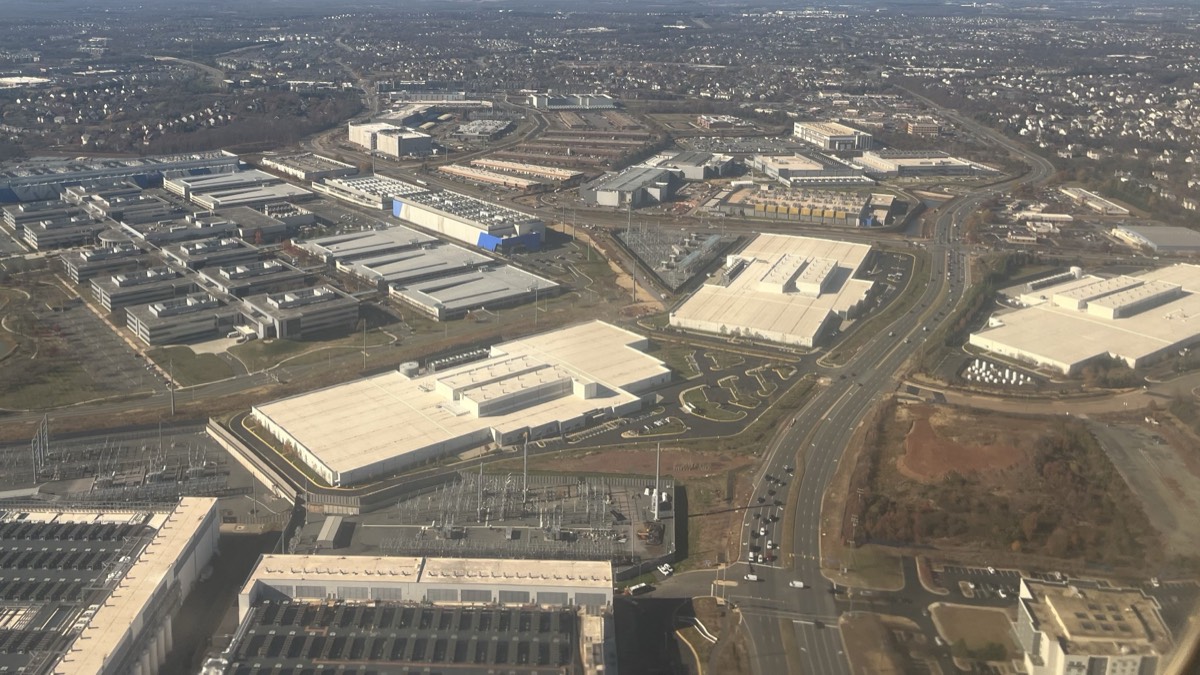
Ars Technica reported on October 2 that Amazon has announced a package aimed at communities hosting its data centers: more than $1 billion in donations over five years, with allocation across education, job training, energy affordability, water and other local priorities decided by the communities themselves. Amazon also said it will stop requiring non-disclosure agreements from county officials in new data-center projects — a transparency concession that even its critics welcomed. AWS CEO Matt Garman added operational pledges: data centers will not raise local power bills or deplete water supplies, the company will be “water positive” by 2030 (75% of projects already meet that bar), and backup generators will use the lowest-emission options available.
The hard edge inside the soft package
The money and the transparency pledges are only half of the announcement. Garman echoed the claim — associated with President Trump — that foreign disinformation is fueling local protests against data centers, said rivals are trying to “trick us into slowing down,” and warned that unless local moratoriums end, American AI will fall behind China. GeekWire’s headline captures the framing: local opposition, in Amazon’s telling, now “threatens the U.S. AI lead.” In other words, the same announcement that offers communities a billion dollars also tells them that blocking the buildout is a geopolitical mistake. Conciliation and pressure are running in parallel, deliberately.
The critics’ line-by-line rebuttal
The environmental nonprofit Stand.Earth was not persuaded, calling the plan “corporate propaganda” and “a flailing attempt at damage control.” Its rebuttal has three verifiable prongs. First, Amazon is involved in funding a gas plant in Pecos, Texas, expected to emit 33 million tons of pollution annually — energy equivalent to more than 1.9 million homes — which would make it one of the largest single climate-pollution sources in the US. Second, the claim that backup generators sit idle “roughly 10 hours per year” conflicts with documented cases of diesel units running for days. Third, $1 billion is a rounding error next to the $220 billion Amazon says it is investing in data centers in 2026 alone. Each prong points at the same weakness: the pledges are large-sounding but hard to independently verify, and the baseline numbers are vastly larger.
The backdrop: opposition already costs
Amazon’s package did not appear in a vacuum. In the first quarter of 2026 alone, roughly $130 billion of data-center projects were canceled or postponed, and 69% of Americans tell pollsters they oppose a data center in their own community — the numbers that accompanied this week’s launch of the American Infrastructure Alliance, the OpenAI- and Blackstone-backed lobbying group we covered earlier this week. Read together, the two moves are two fronts of the same campaign: the alliance is the organized lobbying play, while Amazon’s fund-plus-transparency-plus-pressure package is the corporate playbook. The goal is identical — defuse local opposition and preserve the buildout schedule.
The NDA concession deserves separate weight. Per Wired, Amazon previously required county officials to sign non-disclosure agreements during project negotiations, which meant communities approved deals without seeing the full environmental and infrastructure picture — one of the most consistent triggers of the backlash. Dropping NDAs leaves a public paper trail: power-purchase terms, water allocations, substation and noise-mitigation plans all become checkable by local residents and reporters. It is the one part of the package even its critics have graded positively, precisely because it trades away a real negotiating advantage rather than promising future outcomes.
What to watch next
The structural takeaway for the industry is that “community relations” is becoming a formal line item in data-center economics: a $1 billion fund, the negotiating cost of dropping NDAs, and public commitments on power and water are all now budgetable costs rather than PR overhead. Whether the fund is large enough and the pledges independently verifiable is the open question — and Stand.Earth’s rebuttal gives concrete reasons for doubt. The verification windows are not far off: Pecos plant emissions data and local electricity rates are public records, and so are the county-level votes on the next round of projects. If the next quarter shows opposition continuing to harden despite the money, expect the pressure side of the playbook — the “foreign disinformation” framing, the China-race framing — to carry more of the argument than the fund does.