Flock keeps operating after cities cancel — a police chief unplugs the cameras himself, and Dayton finds its devices reconnected
Two Minnesota towns canceled their Flock contracts; the hardware stayed live. Plymouth's chief pulled the power cords; Dayton found cameras reconnected.
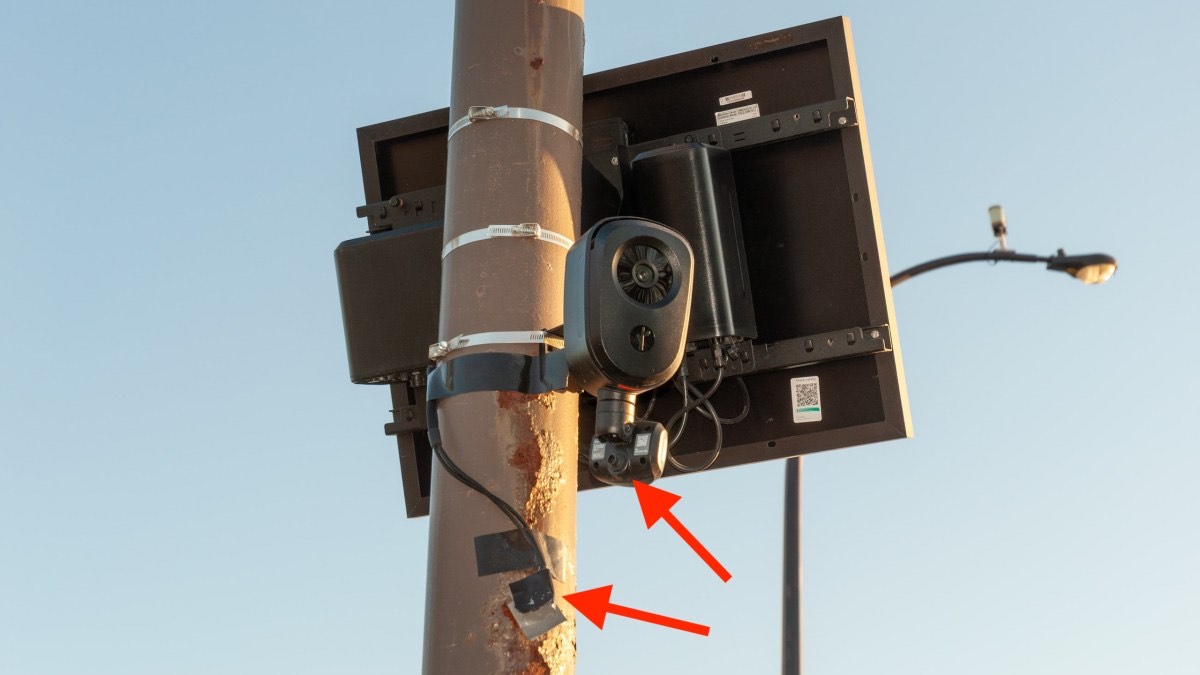
Flock Safety rents cities a surveillance network by subscription: Flock owns the cameras, the city pays for access, and per Tom’s Hardware on November 1 the company has more than 300,000 devices installed nationwide (a figure that links to the outlet’s October 24 report on Proton hosting a map of Flock camera locations). In October that business model ran into two small Minnesota towns that tried to leave. Plymouth’s city council voted on September 22 to cancel the contract; after more than a week of silence from the company, the police chief directed his staff to pull the cameras’ power cords. About 10 miles away, Dayton had it worse — the city canceled in August and ordered all work stopped on September 18, yet two cameras ended up back in service, which the city announced on its official Facebook page on September 29.
Key points
- Plymouth’s council voted on September 22 to end the Flock contract; the police department suspended all accounts the next morning and mailed a formal cancellation letter. With no reply from Flock’s corporate or legal teams for over a week, the chief ordered staff to disconnect the cameras’ power cords (The Drive, October 23, quoting the chief’s statement).
- Dayton told Flock on September 18 that the program was on hold and no work orders were to be completed. Flock put a camera back into service anyway; a city-wide check found a second one. The city’s September 29 Facebook post says the camera was “placed back into service without authorization.”
- Flock’s only response to The Drive’s repeated questions was a link to its media FAQ. On October 26 it told Kare 11 it is “proud of the impact” its technology had in Plymouth and Dayton and is “working with the customers to have the cameras removed.”
Background
The Plymouth vote traces back to one wrongful stop. The Drive’s Joel Feder says he and his wife were ambushed by four officers in squad cars four months earlier, after Flock cameras flagged their car as “stolen” for days — the flag came from an administrative error entered in California. The stop made national news, and per The Drive’s September 28 report the council voted “almost unanimously” to cancel — six of seven council members in favor, with the mayor the lone holdout.
Flock has been accused of ignoring cancellations before. When Elgin Community College in Illinois tried to end its contract, the company refused to take cameras down and uncovered ones that had been concealed. We covered a different failure of the same network in October: a Savannah officer lent her Flock login to her ICE-agent husband, 983 searches over seven months. Per 404 Media’s June tally, investigators have uncovered at least 18 US cases of officers using Flock to stalk romantic partners; some were fired, some arrested. Critics also point out the system reads more than plates — Tom’s Hardware notes Flock’s AI identifies vehicles by stickers, paint color, make and model.
The facts
The two cancellations are documented step by step, from city statements and the chief’s on-the-record account:
| Date | Plymouth | Dayton |
|---|---|---|
| Aug 2026 | — | Council votes to end Flock contract |
| Sep 17 | — | Police learn of a Flock work order |
| Sep 18 | — | City tells Flock: program on hold, no work orders |
| Sep 22 | Council votes to cancel | — |
| Sep 23 | All accounts suspended; Flock notified | — |
| Sep 29 | — | City confirms both reconnected cameras on Facebook |
| ~Oct 1–3 | Chief orders power cords pulled; two cameras verified dead | — |
The chief’s statement to The Drive lays out the sequence: the council voted on September 22 to discontinue Flock’s ALPRs; the next morning the department suspended all Plymouth accounts and notified the company; then it “followed up with a formal letter of cancellation via US Mail and email after consulting with our City Attorney’s Office.” He added: “We did not hear any reply from Flock Safety Corporate or Legal, other than some communication with our local representative,” and, “After hearing nothing for more than a week, I directed our staff to disconnect the power cords from the cameras in order to be sure that they are not functioning or recording plates.” The cameras remain Flock’s property, and the city keeps asking for a removal timeline — “I do not have a definitive answer to share with you at this time.”
The Drive’s author then checked two cameras in person: the power cords were unplugged. In Dayton, city administrator Zach Doud told Kare 11 that Flock acknowledged the cancellation but “stated that it will take 60 days to remove the equipment” — and that acknowledgment arrived five days after the cancellation date. The city’s September 29 Facebook post also spelled out the sweep: after the first reconnected camera surfaced, staff checked locations across the community, identified one more, and said both would be “removed promptly.” Two neighboring cities skipped the waiting entirely: St. Paul and Crystal removed the cameras and poles themselves after their council votes and are storing them for Flock to pick up. Crystal’s chief of police told the station, “Once we made this decision, I personally went to the locations and removed the cameras and poles myself.”
What others say
Until October 26, Flock said almost nothing to The Drive, whose repeated questions about the cancellation process got only a link to the media FAQ. That Monday it told Kare 11: “Flock is responsible for removing our cameras. Each timeline varies but we work with customers to communicate our process and remove them as soon as possible,” plus the pride-and-respect line. The statements address removal only. None of them explains why Dayton’s cameras went back online after a written order to stop work.
Tom’s Hardware offers a business reading: with 300,000-plus cameras on poles across the country, removal costs labor, while leaving hardware in place “likely costs the company nothing.” Dayton’s experience shows contract language constraining nothing on the ground — a written directive lost to a maintenance work order. The Verge files all three cases under its ongoing series on “the fight over Flock and other ALPRs,” and its observation is the blunt one: more cities are canceling, and just as many are discovering how hard canceling is. And once data enters the network, it tends not to come back — Norway fined Microsoft’s Xandr NOK 92 million over Grindr’s sensitive ad data, a same-logic verdict from another industry.
Our take
For anyone selling hardware into B2G or B2B, this episode weighs what a cancellation clause is actually worth. Flock’s contract design — subscription access, vendor-owned hardware — works while both sides are happy. The moment a customer exits, the removal obligation and its cost sit with the vendor, so execution depends entirely on the vendor’s goodwill: Plymouth got silence, Dayton got unauthorized reconnections. Without a term like “remove within X days of termination, penalty of $Y per day,” the right to cancel exists on paper.
One detail is worth keeping: pulling a power cord is the ceiling of what a city can do on its own. The Plymouth chief stopped there because the hardware is not the city’s — taking the cameras down would overstep, though St. Paul and Crystal did exactly that and stored the hardware. Neither city has said where that legal line sits. The data side has no floor at all: neither city’s public statements say how many plates the cameras logged before losing power, or whether those records already moved through Flock’s sharing network. Flock’s promised 60-day removal window in Dayton lapses around the end of November; whether the trucks actually show up is the next checkable fact in this story.