Data centers are now a US midterm issue: nearly $200B in projects stalled in six months
At least 120 data-center projects worth about $198B were delayed or blocked in H1 2026, Data Center Watch says — and the backlash is now a US midterm issue.
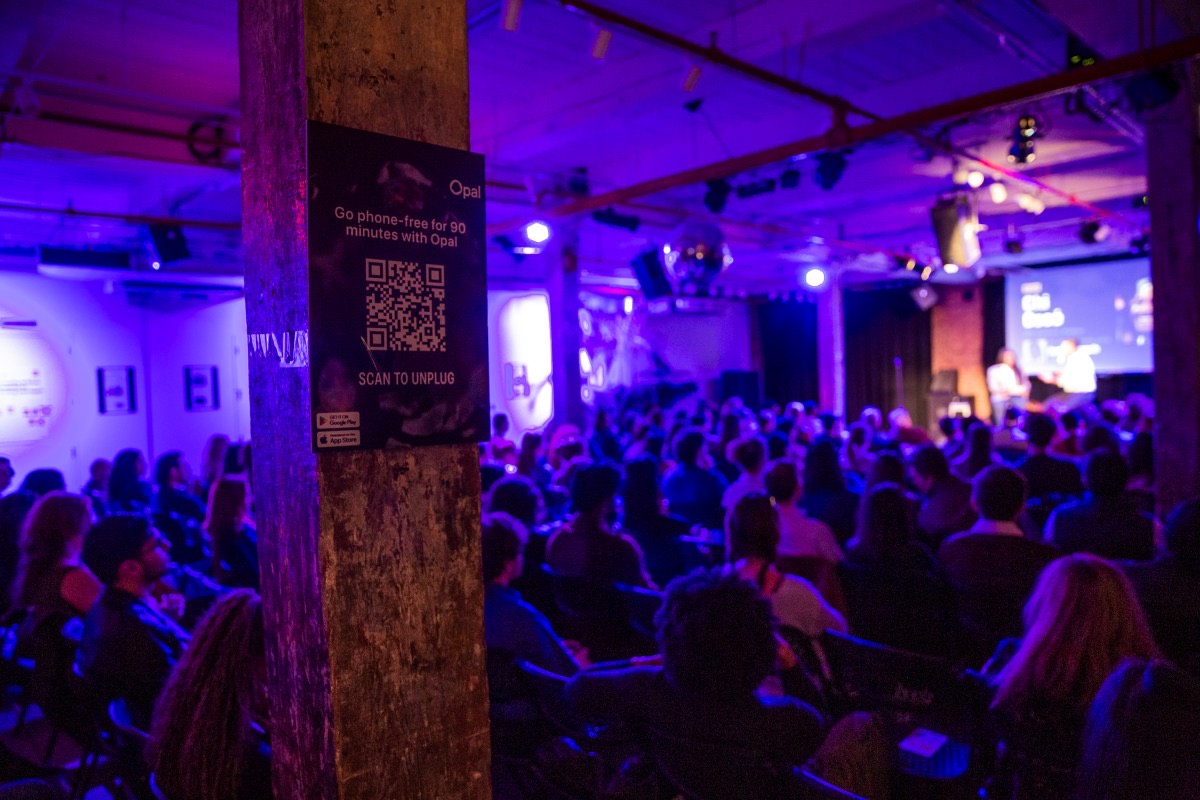
Days before the November 3 US midterms, data centers — the warehouse-scale buildings that house AI training and cloud workloads — have become a campaign issue that candidates in both parties now have to answer for. At a “Midterm Madness” forum held in a Brooklyn warehouse around October 29, the moderator asked the audience who supported AI data centers and was booed; TechCrunch’s October 31 report captured the moment. Behind it sits a hard number: Data Center Watch, a research project, counts at least 120 projects worth roughly $198 billion delayed or blocked by community and political opposition in the first half of 2026.
Key points
- Data Center Watch tallies at least 75 projects worth about $130B blocked or delayed in Q1 2026, plus at least 45 worth nearly $68B in Q2 — about $198B in six months; Q1 alone roughly matched all of 2025.
- At least 20 gubernatorial candidates have pledged a data-center moratorium, per MultiState, and Pew counts $12M in data-center political ads over the 90 days before the vote.
- New York signed the nation’s first data-center pause in July, yet a September Siena poll still finds 63% of New Yorkers opposed to building one in their area.
Background
The backlash itself is not new, and we have covered the industry’s answers twice: Amazon set up a $1B community fund to calm opponents in early October, and the AIA lobbying alliance formed the same week to work state legislatures. Money and lobbyists have not cooled the anger on the voter side.
What TechCrunch’s field report adds is geography: the dispute has jumped from rural site fights to deep-blue cities, where even a Brooklyn warehouse crowd boos the question. Data Center Watch’s Q1 report also counts more than 300 state data-center bills filed in the first six weeks of 2026, statewide moratorium proposals in 14 states from both parties, and Maine coming within one House vote of the first statewide ban.
The facts
The “nearly $200B” figure traces to two quarterly reports from Data Center Watch (a research project under 10a Labs, self-described as “objective, fact-based, and nonpartisan”); both outlets cite the reports rather than reproduce the project list:
| Period | Projects blocked or delayed | Value | Source |
|---|---|---|---|
| Q1 2026 (Jan–Mar) | at least 75 | ~$130B | DCW Q1 report |
| Q2 2026 (Apr–Jun) | at least 45 | nearly $68B | DCW Q2 report |
| H1 2026 combined | at least 120 | ~$198B | sum of the two |
The Q1 report’s own words: “At least 75 data center projects worth approximately $130 billion were blocked or delayed in a single quarter,” which it says roughly matches the scale of all of 2025 in three months. The report pages give no megawatt figures and no publication dates, so the count can only be quoted at quarter granularity.
The political numbers have their own sources: MultiState’s tally is at least 20 gubernatorial candidates promising a pause; Pew counts about $12M in data-center political ads in a 90-day pre-election window; Pennsylvania, Georgia, Texas, New York and Virginia are all weighing new guardrails, and Virginia — already nicknamed the “data center capital of the world” — has hundreds more planned.
What others say
At the Brooklyn forum itself, the reasons for opposing split by zip code. An organizer said the rural backlash “is about feeling replaced,” while in Brooklyn “it’s more about who gets rich from it.” A NYC council member, a self-described law-and-order democratic socialist, argued that CEOs describing a technology that could deplete 10% of human civilization “should be called to testify in front of Congress.” NewsNation host Batya Ungar-Sargon pushed back with the union view: some unions back the projects because they remember when a new plant in the Rust Belt “represented prosperity for themselves, stability for their children.” Vox’s Astead Herndon tied it back to labor — “It’s the same people who have taken so many union jobs away” — while a strategist on the panel framed the room’s mood: “I just want to reinforce the lack of consent happening.”
Wired’s Power Play column moves the question from campaigning to governing. Kathy Hochul signed the country’s first data-center pause in July — a one-year executive order and a compromise: she declined to sign the legislature’s tougher omnibus bill with size caps and a mandatory environmental review, and has until year’s end to act on it. On the trail she calls it “democracy in action… if you don’t want it, it doesn’t come,” and wants to ban data-center tax breaks; her Republican rival calls the moratorium “crazy.” Quinnipiac has 53% of New Yorkers trusting her more on AI and data centers against 31% for her rival, but Siena’s September poll still finds 63% opposed to a data center in their area — 75% among Democrats. In Genesee County, a proposed 600-megawatt project next to the Tonawanda Seneca Nation’s reservation has been fought for two years by organizers who now worry the governor is “just trying to shut us up.”
The two reports don’t conflict on facts; they land differently. TechCrunch documents how wide the anger runs among voters. Wired’s conclusion is that promising a pause is easy and honoring it is hard — even where one is signed, the opposition persists, because the paused community still has to be offered something to say yes to.
Our take
For anyone building on AI infrastructure, the practical change is in siting: a pipeline that used to ask “where is the power?” now has to ask “which community says yes?” — and roughly $198B of delayed capacity in six months means demand deferred, not demand gone, which pushes out compute supply and eventually shows up in cloud prices and training schedules. The honest catch on the data: Data Center Watch’s methodology is not published on the report pages and neither outlet independently verified the project list, so “at least” stays in every sentence of ours. One number we left out: Chinese financial media have circulated a “nearly $1T blocked” headline that likely uses a different cumulative window — we could not verify it, so it does not appear here as fact.
What to watch
After November 3, watch two things: how many moratorium-pledging candidates actually win, and how fast any of them govern on it — New York’s tougher legislature bill reaches the governor by year’s end, and whatever she decides becomes the template other states will copy. Data Center Watch’s Q3 report should follow around January, and it will show whether the ~$198B pace is still accelerating.