Fox completes its $22 billion acquisition of Roku
Fox completed its $22B Roku acquisition on November 6, months ahead of the 2027 target, and calls it the third-largest US TV business by viewing share.
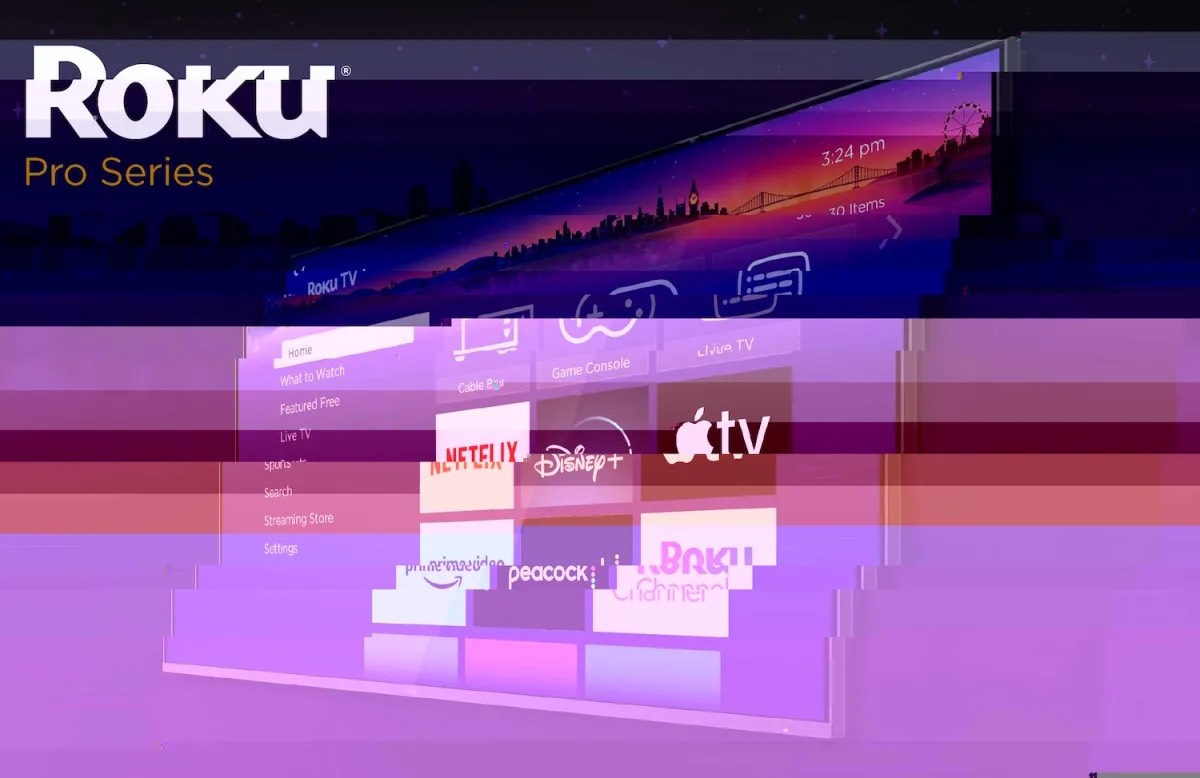
Fox Corporation completed its $22 billion acquisition of streaming platform Roku on November 6, 2026, closing a deal announced on June 15 that had been expected to finish in the first half of 2027. Roku’s shares stopped trading on Nasdaq the same day. Per the completion announcement, Roku now sits alongside Tubi, FOX One and Red Seat Ventures in a new Fox Digital Platforms division, co-led by Roku founder Anthony Wood and Paul Cheesbrough, the executive who ran Tubi.
Key points
- Final consideration: former Roku shareholders receive $95.30 in cash plus 0.9799 FOX Class A shares per share and hold roughly 26% of the combined company; the June announcement projected $96.00 plus 0.9693 shares and about 27%.
- The Justice Department issued a second request on September 8 that extended the HSR review clock, yet the deal still closed early. Semafor’s reporting, cited by TechCrunch, says approval may have come with a consent decree — no terms are public.
- Fox expects about $400 million in run-rate cost synergies within two years and has pledged to keep the Roku platform open to competitors’ content.
Background
The deal began with a merger agreement signed on June 14 and announced the next morning. Fox’s headline number then was $160.00 per share in cash and stock, valuing Roku at roughly $22 billion in enterprise value. The pitch was content meeting distribution: on one side, Fox’s live portfolio of the NFL, MLB, NASCAR, the Big Ten, the FIFA World Cup and FOX News, which Fox calls number one in live news and sports; on the other, Roku’s reach of more than 100 million global streaming households — over half of US broadband households, per Fox’s announcement.
Tubi, Fox’s free ad-supported streamer, was acquired in 2020 and turned profitable last year, according to the Los Angeles Times. The scale-of-the-entry-point logic runs through this whole consolidation wave: Spotify just spent its Q3 report arguing that owning the platform entry point matters more than any single piece of content, and Fox buying Roku is the same thesis applied to connected TV.
The facts
Read together, the two primary documents pin down the terms and the timeline. The 8-K Roku filed on June 15 describes a two-step merger: Falcon Merger Sub 1 merges into Roku, then Falcon Merger Sub 2 absorbs the surviving company. Roku’s board approved it unanimously, and the stock delists when the deal closes. The November 6 completion announcement sets the final consideration at $95.30 in cash plus 0.9799 FOX Class A shares per share — slightly different from the $96.00 plus 0.9693 written into the June agreement. Ownership lands close to the projection: former Roku holders about 26%, existing Fox shareholders about 74%.
| Item | Announced June 15 | Closed November 6 |
|---|---|---|
| Per-share consideration | $96.00 cash + 0.9693 FOX A shares | $95.30 cash + 0.9799 FOX A shares |
| Enterprise value | ~$22 billion | ~$22 billion |
| Former Roku holders’ stake | ~27% (projected) | ~26% |
| Roku stock | Trading on Nasdaq | Delisted |
| Target closing | First half of 2027 | November 6, 2026 |
The other checkable numbers: Fox says the combined company becomes the third-largest player in US television by share of viewing — a pro forma claim from Fox, not an independent measurement. About $400 million in run-rate cost synergies are expected within two years, with free-cash-flow-per-share accretion by the second full year after closing. On advisors: Allen & Company led for Fox; Qatalyst Partners advised Roku exclusively. Wood’s line in the completion release — “We started Roku more than two decades ago to give people a better way to watch TV” — pairs with his closing-day comment to TechCrunch that the mission doesn’t change; what changes is reach and resources.
The regulatory path
Antitrust review was the least predictable stretch of this deal. According to Roku’s September 9 8-K, both companies received a second request from the Justice Department on September 8, “as expected”, which extends the HSR waiting period until 30 days after both sides substantially comply; Roku still guided to a first-half 2027 close at that point. The timeline then accelerated: TechCrunch, citing Semafor, reported in early November that the deal was nearing approval, reportedly under a consent decree. As of publication, no consent-decree terms have surfaced in any public filing, so what the DOJ may have extracted — if anything — cannot be checked.
The Los Angeles Times noted in September that the deeper scrutiny landed in the same window as President Trump publicly criticizing Fox News over the ouster of a host. That juxtaposition is reporting context, not a finding of causation — treat any stronger reading as beyond what the public record supports.
What others say
Lachlan Murdoch’s completion statement says the closing “advances the long-term strategy of FOX”, and Bloomberg’s report quotes his line that the top priority is to “continue to relentlessly serve audiences and partners”. Fox’s pledge that the Roku platform “will remain open to distributing content from competitors” is the sentence the Los Angeles Times pulled out for advertisers and content partners. Wood has stayed consistent across both announcements: the platform stays open, it just has more resources behind it.
What is missing is independent analysis. The TechCrunch, LA Times and Bloomberg reports stick to deal structure, personnel and the regulatory timeline; none quantifies what the combination does to CTV advertising pricing or to the platform market Roku shares with Amazon’s Fire TV and Google TV. Expect those numbers — if they come — with the next earnings season.
Our take
For developers shipping apps on Roku, two things are worth watching. First, whether the openness pledge shapes the Roku OS roadmap — The Roku Channel getting a better slot on the home screen is the kind of change that would test it. Second, whether CTV ad targeting rules shift now that Fox’s first-party sports and news data sits next to Roku’s viewing data and default home screen; on paper that gives advertisers one entry from live to on-demand, which matches what platforms have argued all year: the entry point and the data beat any single show.
Compare it with the same week’s other acquisition — OpenAI buying Pierre for its team’s know-how, Fox buying Roku for distribution and reach — and the pattern is platforms spending cash to grow. The catches are real, too: a 26% stake means former Roku shareholders now ride FOX’s share price directly; $400 million of synergies means genuine integration costs behind them; and if a consent decree exists, its terms are unverified, so what it constrains and for how long is unknown. Nor has Fox put a number on long-term investment in Roku hardware and the brand.