Instagram starts testing 90-minute horizontal videos with 'Features' and 'Clips as Reels', taking aim at YouTube
Instagram is testing 90-minute widescreen videos, expanding from Brazil to a US test — but Meta admits it has no monetization model to match YouTube's split.
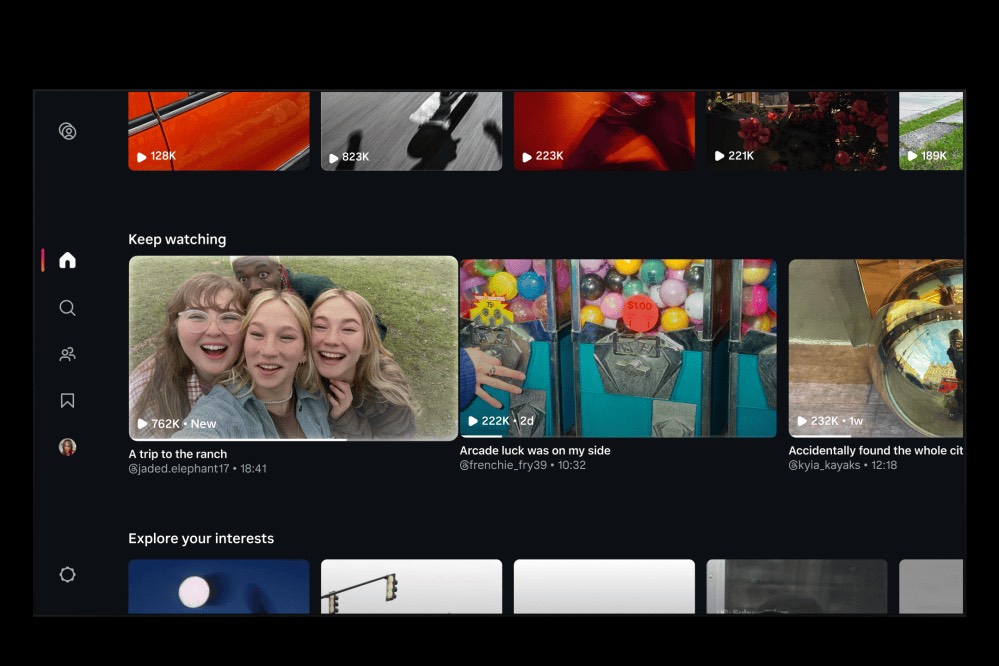
On Monday, October 26, Instagram began testing a long-video format called Features: selected creators can upload horizontal videos up to 90 minutes long, then use the companion Clips as Reels to cut up to 8 short clips from each one, each clip linking viewers back to the full video. The test ran in Brazil first; per Variety it is now expanding to a small group of US creators, a scale Digital Trends puts at “tens of thousands of creators across the US.” It is Instagram’s most serious swing at long-form video since IGTV eight years ago — and this time Meta itself admits it hasn’t figured out how to pay for it.
Key points
- Features lets selected creators upload widescreen videos up to 90 minutes long, aimed at podcasts, vlogs and interviews (TechCrunch, Variety).
- Clips as Reels allows up to 8 clips per long video for discovery; tapping a clip jumps straight into the full video (Variety; the 8-clip cap appears only in Variety’s reporting).
- Monetization is the gap: a Meta spokesperson said “it’s too early to share a long-term monetization model.” There is no YouTube-style ad revenue share — creators earn from brand deals, fans and a small performance program (Variety, TechCrunch).
How testing works
Features started in Brazil and is now in a US test — TechCrunch calls it small-scale, Digital Trends reports “tens of thousands” of US creators. Both can be true: a small start that is growing. Product VP Tessa Lyons described the flow as clicking “a short clip of a podcast you love” and jumping straight into the full episode; long videos will also surface through Explore and other recommendation slots. The target creators are the ones who live on duration: podcasters, comedians, interviewers.
Clips as Reels is the discovery engine. Creators slice short segments out of a long video and post them as Reels — up to 8 per video per Variety — and each slice links back to the original. Long videos can also be saved and sent to the Instagram app on a TV: Instagram for TV has been live on Samsung, Fire TV and Google TV, and Variety reports it is now launching on Apple TV in the US, with livestreams on TV coming next.
Widescreen is a deliberate choice. Lyons told Digital Trends that horizontal long-form content “works better on a big screen.” The same announcement covered two adjacent tests: Series, a playlist-style home for episodic Reels on creator profiles (testing since spring 2026 in the US, India and Mexico, expanding to more countries through the end of the year), and improved Live discovery (testing in Indonesia and Brazil, US next year).
Monetization gap
The weakest part of the announcement is money. The Meta spokesperson’s full position: “It’s too early to share a long-term monetization model, but we’re exploring ways for creators to earn from brands, fans, and Instagram, including performance-based incentives.” Variety states it plainly: there is no ad-revenue-sharing program like YouTube’s, and Instagram is currently paying some creators directly as a stopgap. On the Colin and Samir Show, as quoted by TechCrunch, Mosseri said the small performance program loses money — “we spend more money than we make back by a long shot… we’re just burning capital.”
The counterparty’s books are public. TechCrunch cites YouTube’s own figures: Partner Program creators keep 55% of ad revenue from their videos, and YouTube said in September 2025 it had paid over $100 billion to creators, artists and media companies over the previous four years. Instagram’s current path is brand deals first, subscriptions second, no payment per view. Mosseri was blunt about his own history: “For a long time, I have been against doing long-form video on Instagram” — short content drives more shares and DMs, and he worried long video would crowd that out. He credits Instagram VP of Product Tessa Lyons, a longtime advocate, with talking him into trying again.
IGTV shadow
Instagram tried this before. IGTV launched in 2018 and was shut down around 2022, and both TechCrunch and Chinese coverage picked up by ifeng cite it as the precedent. Mosseri’s original objection (long video would break Instagram’s identity as a place to connect with friends) reappears word for word in this announcement, only with the conclusion reversed.
What’s different this time is plumbing rather than conviction. IGTV was a destination users had to find; Features lives inside Instagram, fed by Reels clips, surfaced through Explore, and caught on the TV apps. The distribution problem that sank IGTV has a plausible answer now. The money question — the one IGTV also never answered — is still open.
Our take
For anyone making content, the structure matters more than the 90-minute cap: short clips funneling into long videos, phone to TV in one session. That funnel took YouTube years to build; Instagram wants to assemble it overnight out of Reels traffic. Podcasters, comedians and interview shows gain a second distribution channel, and Series is worth a close look from short-drama teams — an episodic-Reels playlist plus TV apps is a complete path for horizontal microdramas inside Instagram. Production teams can start planning around “one 90-minute video plus 8 clips” as a unit of work.
The honest catch is monetization: there is no revenue-share commitment, only “exploring.” Until Meta names a model, Instagram cannot be the main venue for long-video income — YouTube’s 55% split remains the only openly priced deal in town. Distribution costs are falling on YouTube’s side too, as we covered in AV2 codec adoption accelerating, YouTube web rollout as early as early 2027. And note what’s absent from Instagram’s announcement: any policy on AI-generated long video, while competitor platforms are already purging AI slop — see our earlier Spotify AI-slop recommendations cleanup. Open the gates and that problem tends to follow.
Three things to watch: the size and retention of the US test; whether Meta starts placing ads inside long-form videos — TechCrunch calls it possible, and a company that makes its billions on advertising has an obvious motive; and how other platforms competing for watch time respond.