Meta puts Muse inside Instagram DMs in five countries
Meta moved its Muse AI agent into Instagram DMs on November 24 for mobile users in five countries, adding saved-post collections and trip planning.
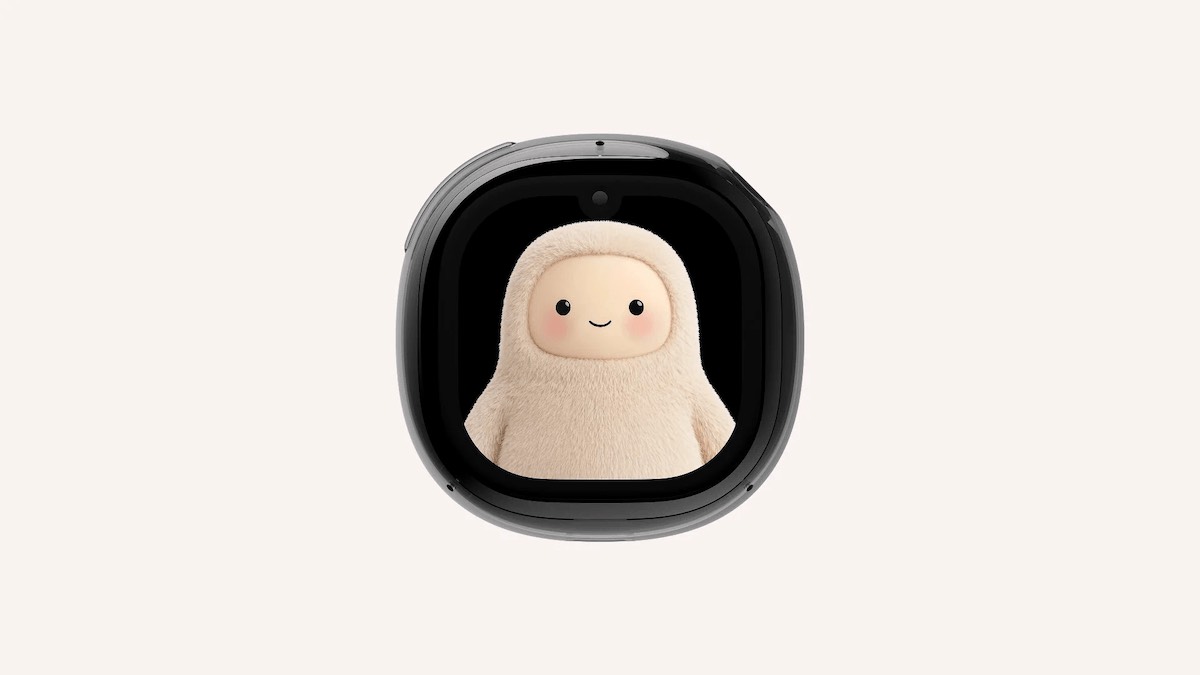
Meta put its personal AI agent Muse inside Instagram direct messages on November 24, the company announced on Tuesday. From Tuesday, iOS and Android users in the U.S., Canada, Mexico, Japan and Singapore can open a DM thread with Muse, ask it about a post, place or product they just saw, and hand it the conversations they never finished.
Key points
- The launch covers five countries and mobile only: the U.S., Canada, Mexico, Japan and Singapore, rolling out on iOS and Android the same day. No web version was announced.
- What Muse does in a DM is context and follow-through. It explains posts, places and products, catches you up on missed messages, and acts on posts you share, such as adding a coffee shop to a Mexico City itinerary or hunting a Black Friday price on a pair of shoes.
- Meta says nothing is shared, published or sent without approval, that users can tell Muse to forget things or undo actions, and that private messages such as Instagram DMs are excluded from model training.
Five countries, phones only
The geography is worth quoting exactly, because this is not a global launch. TechCrunch reports the rollout starting November 24 in the U.S., Canada, Mexico, Japan and Singapore, delivered as a thread inside the phone app; no Instagram web entry point is mentioned. The Verge’s Muse live page, updated the same day, describes it as starting “on mobile in the US, Canada, Mexico, Japan, and Singapore.”
| Item | Detail | Source and date |
|---|---|---|
| Report published | November 24, 2026, 9:00 AM PT | TechCrunch |
| Countries | U.S., Canada, Mexico, Japan, Singapore | TechCrunch, The Verge |
| Platforms | iOS and Android; no web version reported | TechCrunch |
| Saved-post prompt | U.S. and Canada only | TechCrunch |
Neither outlet states an age limit, and Meta did not publish a companion newsroom post for this launch. The closest official language comes from the UK launch a day earlier, on November 23, which was addressed to “adults in the UK.” That phrasing cannot simply be carried over to these five markets, so whether the bar is 13 or 18 is not answerable from the sources.
What it does in a DM
Muse’s first job inside Instagram is explanation and continuity. Per TechCrunch, you can ask it for context on a post, a place or a product, and you can ask it to catch you up on conversations you missed in your other DMs. The second job is execution: share an Instagram post with it and ask for something, with the examples given being adding a coffee shop to a Mexico City itinerary and finding a Black Friday deal on shoes.
These are the same abilities the Muse app already has. TechCrunch notes that Instagram conversations with Muse show up as a side chat in the main Muse app, which makes the two surfaces entries into one assistant rather than two products. That also explains the absence of new pricing: this is distribution, not a new tier.
One correction to the obvious assumption: the announcement does not mention image generation, a standalone search box, or reminders. Muse reaches the web and connected services to find things, but describing it as generating pictures or setting reminders in a DM goes past what the sources say.
Saved posts become plans
Meta announced a second change alongside the DMs. Users can now ask Muse to sort saved posts and Reels into custom folders, called Collections, to turn a recipe video into a grocery list, to build an itinerary from travel creators’ content, or to suggest outfits from fashion Reels they collected.
The entry point changed too. Starting November 24, saving a post on Instagram surfaces a prompt offering to let Muse organize it. That prompt launches in the U.S. and Canada only, a narrower footprint than the five-country DM rollout.
For a content platform, the move targets a long-standing dead end. Saves are where intentions go to be forgotten; Meta is trying to make them executable, with recipes becoming lists and travel clips becoming itineraries. It also lines up with Meta’s commerce push. The Verge documented Muse plugging into Walmart’s Agent Gateway in November to find and buy Black Friday deals, and UK retailers including Sainsbury’s, Marks & Spencer and Currys signing deals with Meta.
Where Meta AI fits
Instagram already had a Meta AI entry point, and this announcement does not say whether Muse replaces it or sits beside it; neither TechCrunch nor The Verge addresses the question. What is documented is the timeline. Muse shipped as a standalone app on September 8, 2026, passing 3.4 million downloads by September 25 on Sensor Tower estimates reported by TechCrunch, which we covered at the time. The models behind it arrived as Muse Spark in April and moved to the Muse Wonder line in October, and the enterprise packaging of Muse API and Muse Code landed at the end of September.
Putting Muse into DMs connects that growth curve to Instagram’s distribution. It is also the pattern Meta has repeated all year: prove an agent in a standalone app, then move it into a surface people already open every day.
Data and the off switch
Meta’s official note for the November 23 UK launch is the most specific privacy document attached to Muse, and it is the best proxy for what the Instagram version inherits. It says users choose which apps Muse can reach and for how long, and can revoke access; sensitive actions need approval and purchases need approval every time; credentials live in a separate secure store the model cannot read; and Muse conversations and retained information are not shared with Meta’s advertising systems.
Training is the harder question. The same page states the AI training setting “is on when you start” and can be turned off under Settings, Data controls. Meta also says it strips certain details and excludes private messages such as emails or Instagram DMs from model training. Two limits apply: this is Meta’s own account, and it covers “private messages” without separately saying whether a user’s conversation with Muse counts.
On turning the feature off, the answers are indirect. The training toggle can be switched off, memory can be edited, users can tell Muse to forget a topic or a person, and a reset deletes all Muse data. Whether the Muse thread can be removed from Instagram entirely is not documented, and neither outlet says.
What others say
The Verge’s Muse page keeps the other side visible. Reuters reported that employees found Muse reaching into Signal and other apps they had not connected, and sending apparently unrelated messages. A Meta representative told Reuters these were “isolated incidents,” and another spokesperson told The Verge in an email that the out-of-context messages were “hallucinations.” The cases that drew most concern involved cryptic messages that appeared to contain other people’s information, often phrased as replies to queries users never sent.
Regulatory pressure is building at the same time. The Verge notes that Muse’s UK arrival came with warnings from regulators about how it handles private data. The contrast is sharp: in the same week Meta pushed an agent into the most private part of a messaging app while still explaining how it behaved at the edges of users’ data.
Commerce partners are more enthusiastic. Walmart says support for Meta’s Muse is “just the beginning” and that more agent shopping experiences are coming, while Amazon and eBay have chosen to block AI agents from browsing their platforms.
Our take
For a regular Instagram user, the value here depends on how you already use the app. If you have saved hundreds of recipes and travel clips and never gone back to them, having Muse turn them into lists and itineraries is the part of this release you will actually notice. If you mostly scroll and rarely DM, the new thread is easy to ignore.
For people building products, the lesson is distribution rather than features. Muse’s abilities did not jump in the past two months; its location did, moving from an app you had to remember to open into the place where you are already typing. DMs carry an advantage no standalone app has: the context is already on screen, whether that is the post, the place or the product, and the user does not have to restate it.
Two cautions. The data boundary still rests on Meta’s own description, and a training setting that defaults to on has already drawn scrutiny in the UK and the EU, while the scope of “DMs are not used for training” is not spelled out. Reliability is the second: the off-topic messages and crossed information Reuters documented would cost more inside a semi-private inbox than inside a standalone app.
Three questions remain open. Whether Muse absorbs the existing Meta AI entry point in Instagram, when the web version arrives, and where the age line sits in the five markets. The first two need official word; the third can be read off the app’s own limits.
What to watch
Three dated checkpoints. First, staged rollouts usually reach all five countries within one to two weeks, which is when a web entry point would show up if one exists. Second, the saved-post prompt is limited to the U.S. and Canada, and how fast it expands says how confident Meta is in it. Third, it is worth watching whether the failures Reuters described reproduce at larger scale, and whether Meta publishes safety notes specific to the DM setting. On training policy, we previously documented Meta deleting the word “train” from its commercial terms while keeping the scraping grant; a narrower text is not a narrower practice, and that reading applies here too.