NAND spot prices fall 20% while DRAM contracts keep climbing
NAND spot prices fell about 20% since mid-October and 512Gb wafers are down 32%, yet DRAM contract prices still rise 8% in Q4 2026 and another 5% in Q1 2027.
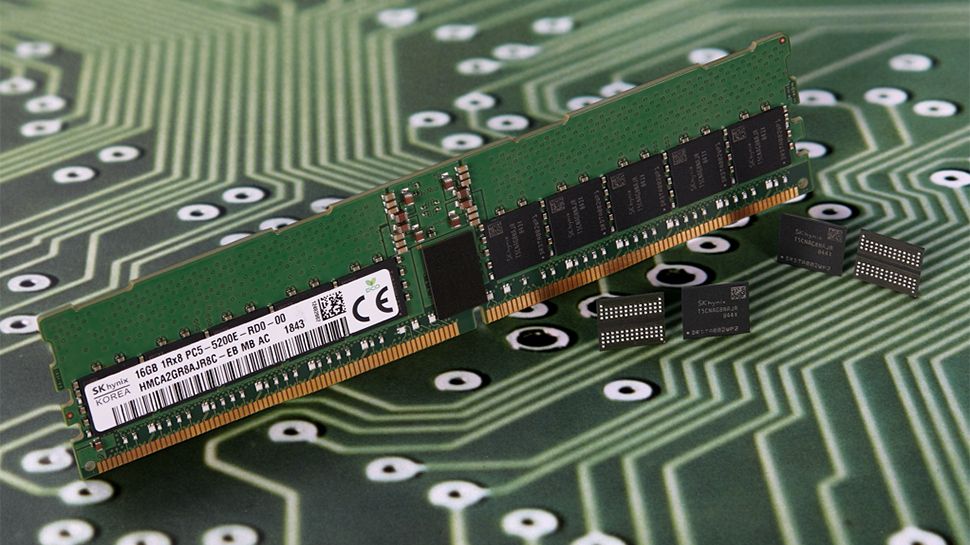
On November 24, 2026, TechRadar Pro pulled together TrendForce and Bank of America data showing that NAND flash spot prices have dropped about 20% since mid-to-late October: 512Gb wafers now quote at $14.30, down 12% in a week and 32% over the quarter, while 1Tb parts fell 19% to $24.90. It is the first clearly downward signal after more than a year of memory inflation. DRAM, which sits on the same SSD bill of materials, has not followed: in the week to November 17, mainstream DDR4 spot slipped just 1.43% to $44.25, branded DDR5 was roughly flat, and contract prices are still set to rise 8% this quarter.
Key points
- NAND spot is the first link to give way: 512Gb wafers at $14.30, down 12% week over week and 32% quarter over quarter; 1Tb parts at $24.90, down 19%. Bank of America expects PC and phone NAND contract prices to fall a further 5% to 10% in the first quarter of 2027.
- Contract prices are still rising right now. TrendForce cut its forecast for this quarter’s NAND contract increase from the 15% to 20% it projected at the end of September down to 8% to 13%, and expects overall NAND to slip 0% to 5% quarter over quarter in Q1 2027, with every product category heading lower from Q2 and the quarterly drops possibly widening.
- DRAM runs the other way: DDR4 spot at $44.25, down 1.43% in a week, and Bank of America still expects contract prices to rise 8% in Q4 2026 and another 5% in Q1 2027. The increases are shrinking, but they have not turned negative.
Background
Memory pricing in 2026 has been a one-way street. AI data centers absorbed HBM and DDR5 capacity, fabs shifted wafers to the most profitable parts, and consumer SSDs, DIMMs and whole machines got more expensive. We covered Dell, HPE, Lenovo and Supermicro repricing signed AI server deals by 25% to 45% on November 23, and the memory supercycle inside Apple’s earnings on November 3; both stories ended with system builders paying for upstream dies.
Market structure explains why NAND cracked first. TechRadar cites six major NAND suppliers against the three that control most of DRAM, and roughly 20% to 30% of global NAND capacity sitting on older lines that cannot make enterprise parts and keep churning out commodity flash. Buyers only had to pause for inventory to pile up. Demand moved the same way: per TechRadar, Chinese cloud providers have cut 2027 enterprise SSD orders by more than US hyperscalers added, citing GPU shortages, elevated inventory and hard competition on AI token pricing.
The facts
The raw numbers, with each source’s own dating.
| Item | Value | Source and date |
|---|---|---|
| NAND spot | about −20% since mid-to-late October | BofA via TechRadar, Nov 24 |
| 512Gb NAND wafer | $14.30, −12% w/w, −32% q/q | BofA via Seoul Economic Daily/TechRadar, Nov 24; TrendForce, Nov 17 also reports −32% q/q |
| 1Tb NAND | $24.90, −19% | BofA via Seoul Economic Daily |
| NAND contract, Q4 2026 | +8% to 13% q/q (was 15% to 20%) | TrendForce, Nov 24 |
| NAND contract, Q1 2027 | −0% to 5% q/q; PC/phone −5% to 10% | TrendForce; Bank of America |
| 2027 bit supply | +25% to 30%; capex $29.9B, up 26.7% | TrendForce, Nov 19 |
| Enterprise SSD contracts | +15% to 20% q/q in Q4 2026 | TrendForce, Nov 17 |
| DDR4 spot | $44.25, −1.43% in the week to Nov 17 | TrendForce |
| DRAM contract | +8% in Q4 2026, +5% in Q1 2027 | BofA via TechRadar, Nov 24 |
The supply side has one large wildcard: YMTC. TrendForce reports that the Chinese maker is gaining share in price-sensitive consumer NAND and targeting a Shanghai IPO as early as Q1 2027. The third plant is due to start operations later in 2026, with just over 50% domestic equipment; a planned fourth fab would reach up to 70% domestic equipment; and the new Wuhan campus will build NAND above 300 layers. Capacity timing and listing timing together are the hardest part of any 2027 forecast.
Equities moved before retail shelves did. 24/7 Wall St. reported on November 20 that SanDisk fell 8% intraday to $86.82, down 49% over a month on a split-adjusted basis, with an 8-for-1 split effective that day. Its CEO’s counterpoint was that data center contracts cover about half of fiscal 2027 bits, though margins still compress as new deals reprice.
What others say
The two research houses disagree on magnitude, which is worth recording. Bank of America puts consumer NAND contract cuts at 5% to 10% in Q1 2027; TrendForce puts the overall decline at 0% to 5% and has every category falling from Q2. The gap comes from mix: enterprise SSD contracts still rise 15% to 20% this quarter and hold the average up. TrendForce also warns that demand outside North America and in consumer markets could cap 2027 pricing power, and that YMTC’s bit-share push may limit early-2027 increases.
An industry official quoted by the Seoul Economic Daily describes the current weakness as “led by some commodity NAND used in smartphones and PCs” while enterprise NAND demand in AI data centers “remains strong.” That is why spot, contract, consumer and enterprise have split into separate curves. TechRadar adds the timing caveat: spot is the fast-moving fringe, most flash sells on contract, contract trails spot by weeks to months, and retail trails further while distributors work through stock bought near the peak.
Our take
For anyone building or expanding inference hardware, this is three separate budgets. First, SSD purchases can wait: spot has turned, contract turns negative only in Q1 2027, and waiting a month or two is a reasonable bet. Second, do not map the spot decline onto retail prices. Channels still hold inventory bought at the peak, retail SSDs will lag by months, and finished devices may keep getting pricier as cheap stockpiles run out. Third, training storage will not get cheaper soon; enterprise SSD contracts are still up 15% to 20% this quarter, so checkpoint and dataset capacity is a buy-now line item.
DRAM is the real switch for whole-machine pricing. DIMMs and GPU memory both draw on DRAM capacity, and the 8% then 5% contract path means a machine’s memory cost is still climbing into Q1 2027. NAND alone will not pull server prices down.
What is genuinely unknown: the 2027 decline is a forecast, not a fact; YMTC’s IPO schedule and the ramp of its fourth Wuhan fab change the supply curve directly; and if AI data centers keep adding orders through 2027, enterprise NAND could drag the blended average back up. Any one of those moving invalidates the table above.
What to watch
Three checkpoints will settle it: the Q1 2027 NAND contract negotiations, whether YMTC’s Shanghai listing lands on the earliest schedule, and actual retail SSD tags around the Lunar New Year. To track how the same dies reach end users, compare with our earlier notes on AI server repricing and Apple’s memory cost commentary.