OpenAI's ChatGPT Dot agent can now be texted via iMessage/RCS (US-only Pro beta)
OpenAI's ChatGPT Dot agent now takes tasks over iMessage and RCS: verify your number and text it, in a US-only beta for ChatGPT Pro since October 28.
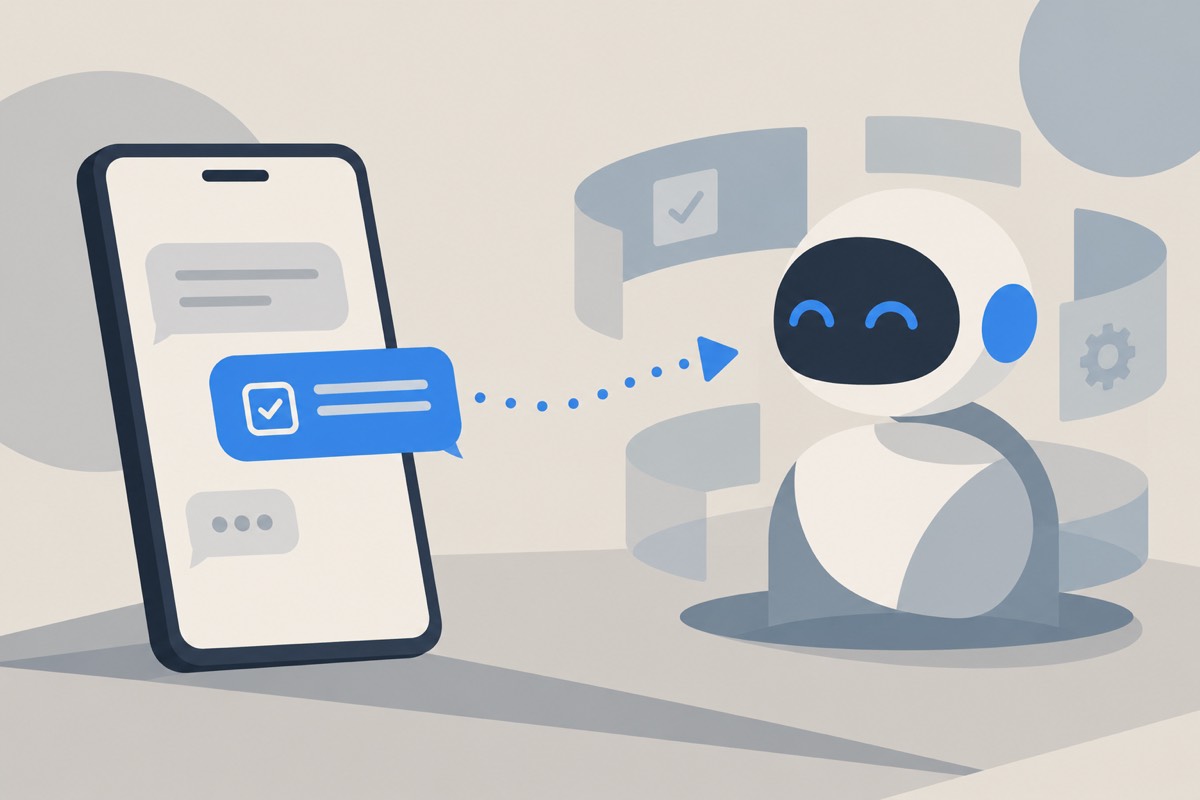
On October 28, OpenAI gave ChatGPT Dot — its always-on agent, introduced at the end of September — its own phone number. The official Learn docs put it plainly: “Texting is rolling out in beta to ChatGPT Pro users in the U.S.” Verify your phone number once, and from then on you can text the agent over iMessage or RCS, in one-to-one conversations that carry text, photos, and voice messages. It closes the “texting soon” promise OpenAI made when Dots launched; for now, the beta is US-only and Pro-plan only.
Key points
- Since October 28, ChatGPT Dot answers over iMessage and RCS one-to-one; the beta is limited to ChatGPT Pro subscribers in the United States.
- Texts can carry text, photos, and voice. Dot picks its own reply channel from context — urgent things by text, routine updates inside ChatGPT — and links back to the app when a task needs your approval.
- OpenAI draws the privacy line in the docs: only you can text your dot, and setup grants OpenAI no access to your other conversations. Group chats, calls, and FaceTime are not supported.
Background
Texting was on the roadmap from day one. When Dots launched on September 29, the official page already let users message their dot in ChatGPT, Slack, and Teams, with “texting coming soon” left open (see our launch coverage). What landed on October 28 is exactly that promise: iMessage and RCS are the messaging apps the phone already ships with — you set the channel up once inside ChatGPT, and from then on handing over tasks and getting updates happens in your default messages app. The move also fits the competitive picture at Dots’ debut — Meta Muse went free and topped the US App Store on zero-friction distribution, and OpenAI’s answer is to meet users in the apps they already have open.
The facts
The two official pages published October 28 — the whats-new announcement and the channels documentation — match Digital Trends’ same-day report on every specific we checked:
| Item | Official wording (October 28) |
|---|---|
| Channels | iMessage; Android requires RCS enabled in the messaging app |
| Format | One-to-one conversations: text, photos, voice messages |
| Availability | Beta, ChatGPT Pro users in the U.S. |
| Proactive updates | Dot chooses the channel from conversation context; you can direct urgent items to text and keep routine updates in-app |
| Approvals | A task needing review sends a link back into ChatGPT |
| Not supported | Group chats, phone calls, FaceTime (in-app calls unaffected; dot-initiated calls are planned) |
| Privacy | Both directions limited to you and your dot; setup grants no access to other texts |
The channels page also confirms that switching channels does not fragment memory — every contact method reaches the same dot. On voice, the docs note that calls your dot initiates are “planned for after launch,” so for now calling remains something you start from inside the app. Nothing in the October 28 announcement mentions pricing.
How to try it
Setup is three steps: open your dot’s profile in the ChatGPT mobile or desktop app, select Texting, and enter your phone number to verify it. Then save the contact card Dot sends back and send the first message. Two gotchas: iMessage must go out from the phone number you verified, and Android users need RCS turned on in their messaging app first — otherwise messages never reach the channel.
What others say
Digital Trends reads the feature as task assignment without opening ChatGPT: hand over a to-do or something to keep an eye on, and Dot pings you only when attention is needed. 9to5Mac adds two forward-looking takes — the channel could, in theory, bring Dot to the Apple Watch “in an official capacity,” and it opens voice uses beyond the in-app simulated calling — while flagging both as speculation that needs hands-on testing. OpenAI’s own @ChatGPT account kept it short on October 28: “By popular request, you can now text your dot” — a line Digital Trends quotes. One point of confusion worth clearing: in August, ChatGPT on Mac shipped an iMessage plugin that worked the opposite way — the app sending messages on your behalf. The new channel inverts that flow: the text message is how you reach the agent. As of publication we found no hands-on numbers on delivery rates or latency for the new channel.
Our take
Putting the agent into system messaging is a bolder move than adding another notification surface. SMS-level reach works without installing anything, without push permissions, and survives a phone upgrade — it is the one layer every user already checks. The open-source side got here first: OpenClaw already wires a self-hosted assistant into iMessage, WhatsApp, and 20-plus other channels, and the official product now following suggests “the agent lives in your chat apps” is becoming a default assumption rather than a hacker trick. Three unknowns are worth watching: when the beta leaves the US and the Pro tier (no timeline given); whether iMessage and RCS — one Apple-run, one carrier-run — deliver matching reliability and privacy promises; and whether photos and voice notes over text raise Dot’s error rate on task understanding. For US Pro users, trying it costs one saved contact card. For everyone else, the news is the roadmap confirmation: agent entry points keep moving toward the system layer.