Products#Open-source alternatives#Virtualization
Stela and Snapintosh take macOS off Apple hardware, on x86 and Snapdragon
Stela boots macOS on x86-64 PCs via an Arm-to-x86 translator; Snapintosh reaches the macOS 27 desktop on a Snapdragon X2 Elite laptop. Both warn: early.
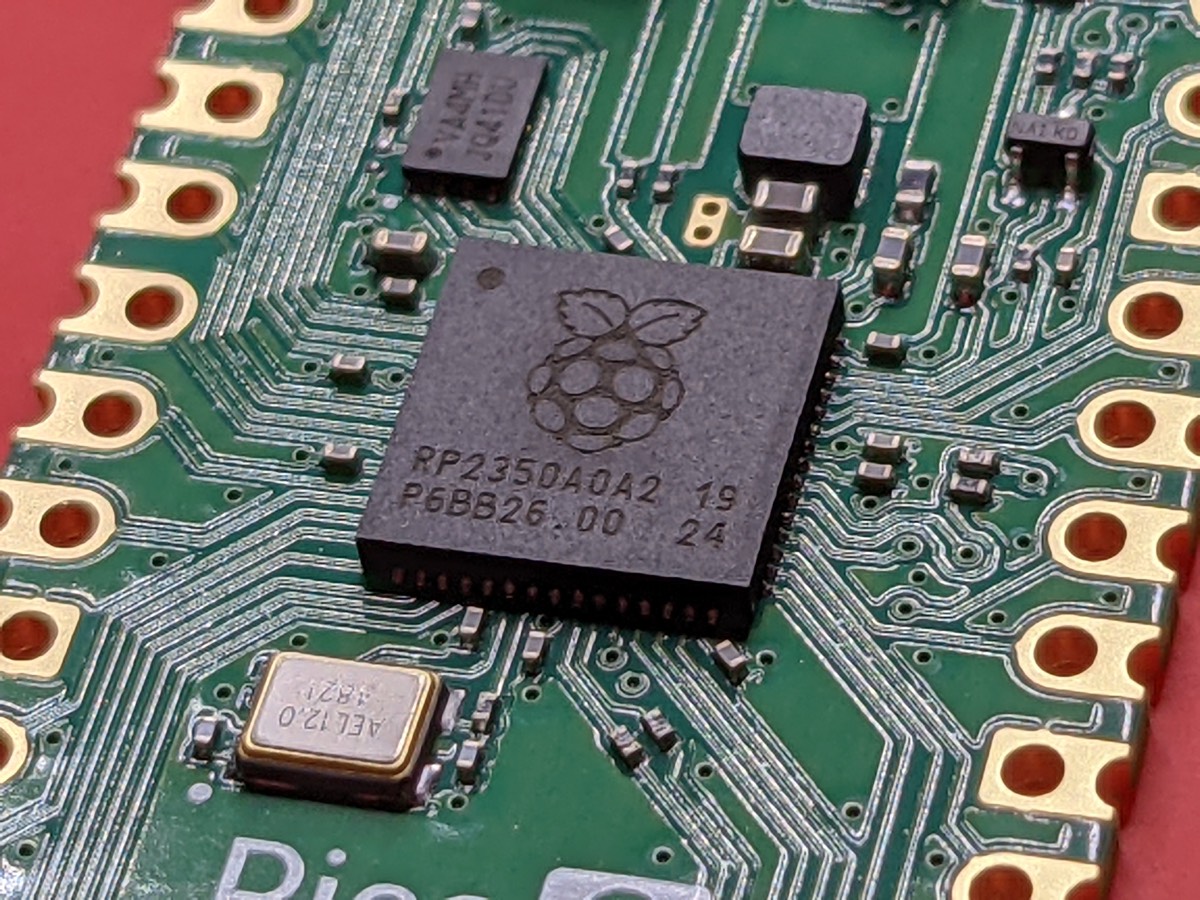
Stela is an open-source project, written in Rust under GPLv2+, that turns an ordinary x86-64 PC into a fake Apple Silicon Mac mini at UEFI boot time: an ahead-of-time and just-in-time translator converts arm64e instructions to x86-64 so macOS can start on Intel and AMD machines. Per the GitHub API on 2026-11-14, the repo has about 2,100 stars and shipped v0.4.1 the same day, and its README warns in no uncertain terms that the project is still in development — slow, and it may not boot at all on supported hardware. In the same week, a second project called Snapintosh reached the macOS desktop on an ASUS Zenbook A16 with a Snapdragon X2 Elite, but it needs a separate Mac connected to start. Hackintoshing, widely declared dead after Apple moved to Arm, is coming back on two very different roads.
Key points
- Stela’s translator covers more than 3,000 AArch64 instruction encodings and ships a Metal3 driver that compiles Apple’s AIR shader IR directly to Mesa’s NIR, targeting NVIDIA GTX 16 and newer GPUs.
- Stela’s own hardware table currently lists no supported Wi-Fi, Bluetooth or audio, and requires an x86-64-v2 CPU (Intel Nehalem or AMD Bulldozer or newer), 8 GB of RAM, and UEFI with Secure Boot off.
- Snapintosh, built by engineer Miguel Cruz, boots the unmodified macOS 27 kernel on a Snapdragon X2 Elite Zenbook A16, but per IT之家’s report crediting TechSpot, the frame rate cannot hold 60 fps and the laptop needs another Mac attached to boot.
Background
The golden age of Hackintoshing followed Apple’s 2006 switch to Intel: the community used bootloaders like OpenCore to install macOS on generic PCs, and a whole ecosystem of install guides grew around the trick. When Apple moved to its own Arm chips starting in 2020, official kernel support for x86 Macs began winding down, and most of the community wrote the scene off. Snapintosh attacks the problem from the opposite direction — not x86 at all, but faking Apple Silicon’s platform contracts on Arm hardware. Its GitHub repo describes an “EL2 hypervisor and toolchain”, and per XDA’s October 23, 2026 report, the developer says the monitor runs Apple’s stock kernelcache unmodified while supplying the SPTM/TXM monitor calls and 16 KiB page-table translation the kernel expects — so the kernel believes it is on real Apple silicon. The lineage is Asahi Linux: the q1n1 boot component Snapintosh uses is a fork of m1n1. Our earlier Virtual Mac entry covered yet another approach — running full macOS on jailbroken iPads inside Apple’s own stack.
The facts
Stela’s repo was created on 2026-10-12 and, checked via the GitHub API on 2026-11-14, has 2,111 stars, 126 forks, Rust as its language and a GPL-2.0-or-later license; v0.4.1 was published on 2026-11-14. The README’s hardware table is specific about what works: a long list of supported Ethernet controllers, NVIDIA GTX 16 and RTX 20/30/40/50 GPUs only, NVMe or SATA-in-AHCI disks with 60 GB or more, and explicit “none currently supported” entries for Wi-Fi, Bluetooth and audio. The translator covers more than 3,000 AArch64 instruction encodings, maps guest registers to host registers and caches translated code; the Metal driver compiles Apple’s AIR shader IR straight to Mesa’s NIR. On the Snapdragon side, Snapintosh’s repo shows it was created on 2026-10-22 with about 1,300 stars, runs the macOS 27 (build 26A428) kernel, and supports exactly one machine — the ASUS Zenbook A16 (UX3607OA) with a Snapdragon X2 Elite X2E-96-100. The two projects’ weak spots overlap almost completely:
| Capability | Stela (x86 PC) | Snapintosh (Snapdragon X2 Elite) |
|---|---|---|
| Reaching the desktop | Self-reported booting, still rough | Verified: desktop and app switching on video |
| Graphics | Metal3 driver, AIR compiled to NIR | Adreno Metal/IOGPU stack, accelerated desktop |
| Wi-Fi / Bluetooth / audio | No supported option for any | All unusable (Wi-Fi only via host proxy) |
| Standalone boot | Yes, from a UEFI USB stick | No — needs a macOS 27 Mac attached |
| Frame rate | No data published | Unstable; reportedly short of 60 fps |
One distinction matters here: Snapintosh’s working desktop comes from developer demos and reporting that verified them, while how far Stela actually gets through a boot is so far only the project’s own claim plus changelogs — no independent reproduction has been published. IT之家’s report also says Stela “supports Bluetooth”, which contradicts the README’s own hardware table (“Bluetooth: none currently supported”); we treat the repo as authoritative.
What others say
XDA brought Snapintosh to a wide audience on October 23, relaying the developer’s explanation of the EL2 monitor and noting that the project’s .gitignore mentions a Claude directory — speculation that Anthropic’s model helped build it, which the developer has not confirmed. The Daily Tech Feed gave Stela a cold verdict on November 12: macOS and common apps reportedly launch, but performance is “very slow—far from practical usability today”, with battery management, sleep/wake and Secure Boot still blank, concluding it is “for experimentation, not production”. MakeUseOf’s November 8 piece framed Snapintosh against classic Hackintoshing, calling a hypervisor route with no custom bootloaders or kexts surprisingly viable while conceding it needs significant polish. In Chinese media, IT之家 relayed TechSpot’s same-day report on November 14, pairing the two projects and noting that Snapintosh is still far from everyday use. As of this writing the TechSpot original could not be opened directly (the site blocks automated access); the relay is confirmed across IT之家, Tencent News and ifeng.
Legal and licensing
Both projects push compliance onto the user. Stela’s README states it contains no Apple software and that following Apple’s software license agreement is the user’s responsibility; the code itself is GPL-2.0-or-later. Snapintosh’s repo likewise warns that running macOS on non-Apple hardware “may conflict with Apple’s macOS software licence agreement”, ships no Apple, Qualcomm or ASUS binaries, and requires users to supply their own IPSW. Apple’s macOS license has always covered Apple hardware only; whether these projects constitute infringement, and whether Apple responds the way it did against Psystar a decade ago, nobody involved has said — this entry draws no conclusion. The one verifiable point: even the OpenCore era lived in a gray zone, and projects that ship a translated kernel path or impersonate Apple hardware face the question more directly.
Our take
For readers tempted to try, the two roads mean different things. Snapintosh proves Arm-side Hackintoshing is technically real, but a machine that cannot boot without another Mac attached and supports one laptop model is a demonstration, not a tool — its real significance is that it recycles the Asahi community’s work, letting a Snapdragon platform benefit from m1n1 and Mesa. Stela’s ambition is larger and further out: if the arm64e-to-x86-64 translation matures, any x86 PC of the last decade becomes a potential target, but a translation layer’s ceiling means it will likely never match native Apple Silicon — the project calls itself slow, and 3,000 instruction encodings are only a slice of AArch64. If you want to try now, Stela’s installer writes a bootable USB stick with one command; go in expecting failed boots. Snapintosh needs a developer-grade toolchain and a real Mac. Neither changes a purchase decision this year; what is worth watching is whether the Mesa NIR route gets picked up beyond Asahi.
What to watch
Stela’s v0.4.1 changelog shows a fast cadence — CLI rework, PCI compatibility fixes, and verified firmware downloads all landed in the past two weeks — with boot logs collected through GitHub Issues. The milestone to watch is the first independent reproduction on published hardware, and any progress on Wi-Fi or audio. For Snapintosh, IT之家’s relay says no GitHub beta date has been announced; the signal to watch is support for a second Arm machine.