EU preliminarily finds TikTok's For You recommender breaches the DSA, names watch time as the signal to drop
EU preliminary findings of November 6 say TikTok's For You feed may breach the DSA, naming watch time as a ranking signal; TikTok denies them.
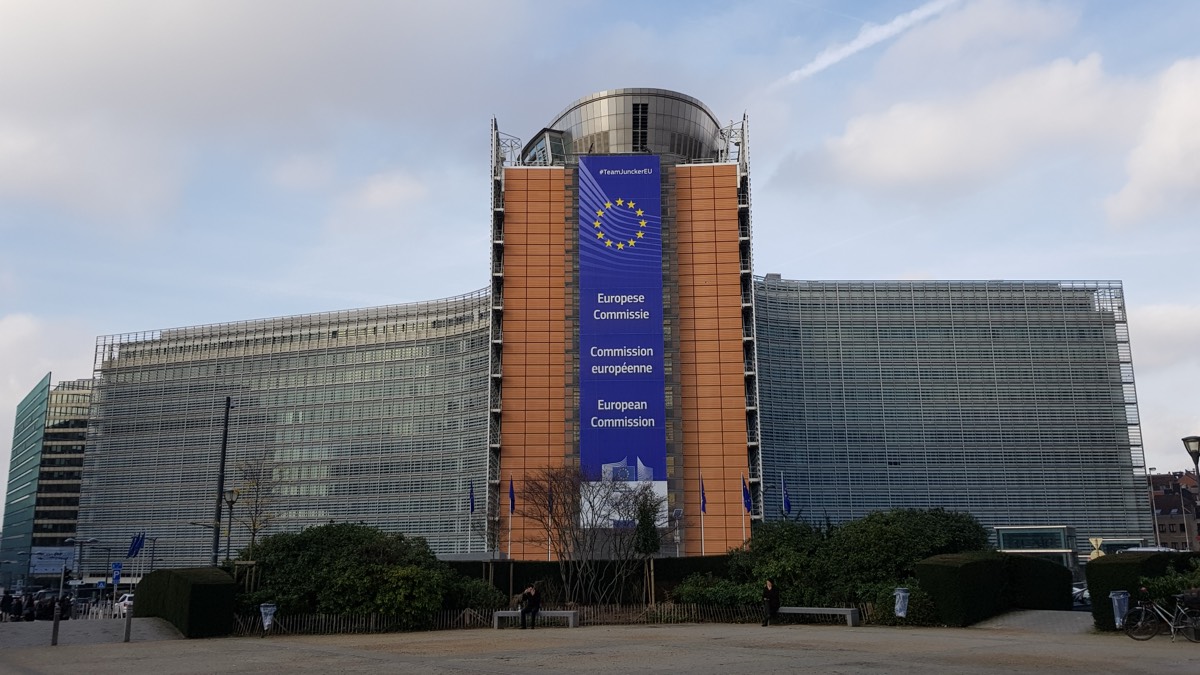
The European Commission issued preliminary findings on November 6, 2026 (press release IP/26/2361) that TikTok’s For You feed may breach the Digital Services Act — specifically Article 34 on risk assessment and Article 35 on risk mitigation. The Commission’s description of the mechanism: every scroll or like teaches the algorithm to serve more of the same, pulling users into “rabbit holes they cannot easily escape from”, while controls like the “not interested” button fail to change what the feed shows because watch time outranks the user’s stated choice. This is a procedural step, not a penalty: TikTok can inspect the investigation file and reply in writing, and the Commission states the findings do not prejudge the final outcome.
Key points
- The November 6 preliminary findings target the “rabbit hole” effect of TikTok’s For You recommender under DSA Articles 34 and 35; the formal proceeding opened on February 19, 2024, and this is its fifth strand.
- Four example remedies are suggested: rely more on users’ explicit preferences, stop using viewing time as a recommendation signal, make user controls easier to use, and test the algorithm regularly — all framed as examples, with no technical standard, weights or deadline.
- If a non-compliance decision follows, the fine can reach 6% of TikTok’s total worldwide annual turnover; TikTok publicly rejects the findings, calling them “fundamentally false” and saying they mischaracterize the platform’s architecture and its commitment to user safety.
Background
This is not a new case. The Commission opened formal proceedings against TikTok on February 19, 2024 (IP/24/926), covering protection of minors, advertising transparency, researcher data access and addictive design. The same proceeding has now produced five milestones:
| Strand | Date | Status |
|---|---|---|
| Researcher access to public data | October 2025 | Preliminary findings (IP/25/2503) |
| Advertising transparency | December 2025 | Closed with binding commitments (IP/25/2940) |
| Addictive design | Feb 6, 2026 | Preliminary findings (IP/26/312) |
| Protection of minors | July 2026 | Preliminary findings (IP/26/1679) |
| For You recommender “rabbit holes” | Nov 6, 2026 | Preliminary findings (IP/26/2361, this one) |
The earlier strands landed on the ad repository, data interfaces and UI features — infinite scroll, autoplay, push notifications. This one names a ranking signal: watch time is written into the allegation, and the For You page itself is told to change. By PPC Land’s count, 991 days passed between the proceeding’s opening and these findings. Ireland’s Digital Services Coordinator, Coimisiún na Meán, supported the investigation. For scale, European regulators have fined US platforms before — Norway’s 92 million kroner fine against Microsoft’s Xandr over Grindr data (covered here in October) took a comparable path from complaint to penalty.
The facts
Three layers of the allegation are checkable against the press release. The mechanism: personalization runs on engagement signals — watching, liking — and steers users toward more of the same content. The failed control: because viewing time carries more weight in the ranking than the user’s explicit choice, tapping “not interested” may not change the feed, and the Commission judged TikTok’s content-diversification measures ineffective in practice. The content risk: the press release lists sadness, anxiety, body dissatisfaction, low self-esteem and worsening eating disorders as the harms at stake.
The suggested remedies are four, all phrased as examples, with no technical standard, weights or deadline:
- Rely more on users’ explicit preferences.
- Stop using viewing time as an indicator for recommending content.
- Increase the accessibility and usability of user controls.
- Test the algorithm regularly.
On penalties: a final non-compliance decision can carry a fine of up to 6% of total worldwide annual turnover, calibrated to the nature, gravity, recurrence and duration of the infringement. Per PPC Land’s tally, two DSA fines already exist under the same risk-assessment articles: X, fined €120 million on December 5, 2025, and Temu, fined €200 million on May 28, 2026. TikTok’s case has four strands with findings already, and recurrence is a named calibration factor.
What others say
Henna Virkkunen, the Commission’s Executive Vice-President for Tech Sovereignty, Security and Democracy, put the core allegation in one sentence: “Every time a user scrolls or likes a video on TikTok, the algorithm serves more of the same leading users down rabbit holes.” She added that the findings show TikTok “needs to step up its efforts to protect users’ well-being, including those of minors.”
TikTok’s response is a denial. Per Associated Press reporting (relayed by IT之家 on November 7), the company firmly rejects the allegations, calls the preliminary findings “fundamentally false” and says they mischaracterize the platform’s architecture and its commitment to user safety, adding that it has “a strong record protecting the community” while giving users “intuitive and direct control over the content experience.” The dispute sits inside that statement: the controls TikTok points to are the ones the Commission judged largely ineffective — two opposite factual accounts of the same feature.
Coverage differs mainly on how final this sounds. PPC Land marks every remedy as an example and warns that the list is neither a technical standard nor the end of the negotiation; headlines split between “violates” and “may breach.” The checkable floor is the same everywhere: no fine decision exists today, and 6% is a statutory cap. When the addictive-design findings landed in February, TikTok called them “false and without merit” (per PPC Land) — this week’s denial continues that position.
Our take
For anyone building recommender systems, these findings turn a product metric into a compliance object. Watch time is the core ranking signal of short-video feeds everywhere; the Commission naming “stop using viewing time as an indicator” points at the ranking objective itself. If a final decision keeps that wording, remediation is not adding a toggle — it is retraining the ranker. Every platform in the EU that ranks by engagement signals should read this case file, not just TikTok.
The honest boundaries: these are preliminary findings, the four measures are examples rather than orders, TikTok has a full right of defence ahead, and 6% is a ceiling. The X and Temu fines show DSA penalties do land, but with five concurrent strands in TikTok’s case there is no precedent for how amounts stack. Users should feel no difference this week — a feed does not change on preliminary findings. What is worth watching is the direction: recommender regulation is moving from the content layer (Spotify purging AI slop from playlists, which we covered in October) down to the ranking layer, and this case is the sharpest data point yet.