UK to establish the world's first dedicated AI Biosecurity Lab: £100m state funding plus up to £200m in OpenAI and Anthropic model credits and trusted access
The UK announced on 23 October it will establish the world's first dedicated AI Biosecurity Lab, with £100m state funding and up to £200m in model credits.
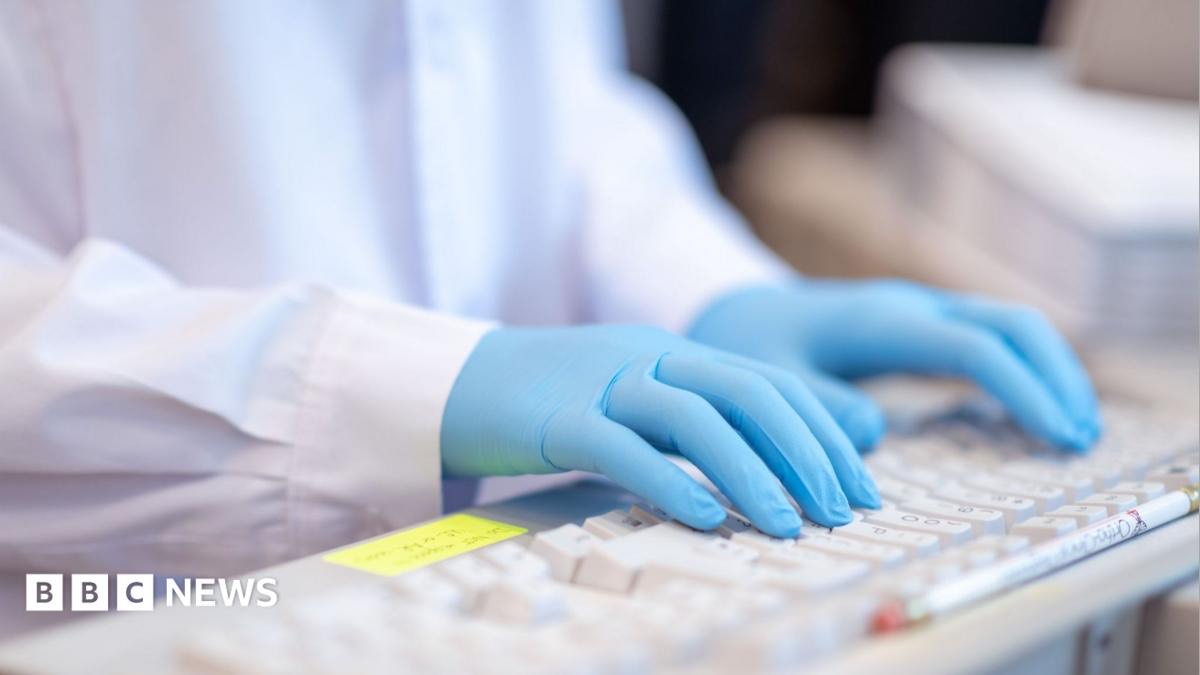
On 23 October the UK government announced the AI Biosecurity Lab (AIBL) — what the gov.uk announcement calls “the world’s first dedicated AI biosecurity organisation.” It will be an independent non-profit that points frontier AI at early detection of biological threats and at getting vaccines and treatments developed faster, staffed along the lines of the AI Security Institute (AISI). The money comes in two tranches: £100m of government funding, and up to £200m in compute and model credits plus trusted model access from OpenAI and Anthropic. Reuters moved the story on the 23rd under an “$800m AI security funding” headline; both official announcements landed on gov.uk on 24 October.
Key points
- The government puts in £100m. OpenAI adds £100m in compute and model credits plus trusted access to its most capable relevant models through the Rosalind Biodefense programme; Anthropic adds up to £100m in model credits, trusted model access and dedicated technical support.
- AIBL sits inside a National AI Biosecurity Initiative alongside UKHSA, APHA and Dstl. The Treasury page puts the initiative at £165m: £100m for AIBL and £65m for bio-surveillance and medical countermeasures against priority pathogens.
- No director, no site, no start date. The BBC states plainly that full details of the lab’s role and remit are yet to emerge — and the corporate £200m is credits, not cash.
Background
The UK did not have to invent a template for this. gov.uk says AIBL borrows its talent model from the AI Security Institute, and TNW describes it outright as modelled on AISI. But AISI’s own limits surfaced at a parliamentary hearing on 13 October, where director Henry de Zoete admitted the institute has no power to stop a company from releasing a dangerous model (our coverage of that hearing). The trusted-access lane AIBL will drive down is also already paved. OpenAI’s life-science model GPT-Rosalind left research preview for trusted access on 11 September, and the experiment that ran 1,946 GPT-Rosalind agents over a mouse-brain CRISPR atlas (covered here on 22 October) is the clearest look yet at what that channel can do. On Anthropic’s side, the biosecurity non-profit SecureBio sits in the lowest of its three external-access tiers and reviewed the chem-bio section of the August risk report (our report). The BBC’s related coverage also links to Anthropic blocking a suspected attempt to use AI to help make biological weapons on 11 September. AIBL is the first time government has folded these scattered pieces into one framework.
The facts
The money and the roles, per the gov.uk announcements published 24 October:
| Participant | Contribution | Form |
|---|---|---|
| UK government | £100m | Cash to establish AIBL |
| OpenAI | £100m | Compute and model credits, plus trusted access to its most capable relevant models, via the Rosalind Biodefense programme |
| Anthropic | Up to £100m | Model credits, trusted model access, dedicated technical support |
| Google DeepMind | Undisclosed | Scientists and biosecurity experts join the research, and it “looks to provide trusted access to frontier Gemini and specialised science models” |
| Basecamp Research | Undisclosed | Access to its AI-biology models, capabilities and technical expertise |
gov.uk frames the combined support as “up to £300mn of government funding and company commitments” and says AIBL will be supported long term by public and philanthropic funding. The Treasury’s same-day announcement sets out the wider package: £165m for the biosecurity initiative (£100m for AIBL, £65m for surveillance and countermeasures), an extra £120m for AISI, a £60m National Cyber Shield that includes a £25m challenge fund, and a £70m NERV real-time vulnerability centre. AIBL starts with two missions — early detection of biological threats, and accelerating vaccines, treatments and countermeasures — and will work with the medicines regulator MHRA on health-emergency preparedness and on informing the regulation of AI-designed medicines. The make-up of its scientific advisory committee, the announcements say, “will be set out in due course.”
What others say
AI minister Kanishka Narayan told the BBC the lab would be “a major new global institution” bringing together “world-leading scientific expertise”: “That means staying ahead of emerging threats, from cyber attacks to biological risks.” Chancellor of the Exchequer John Healey said in the Treasury announcement: “I am setting out a distinctively British approach to AI - one that doesn’t leave workers behind and defends our national interest.” techUK chief executive Julian David called it “a strong £600m+ package” focused on adoption, trust and security, investment, and AI’s impact on jobs and society.
Watch the headline total, because the outlets don’t agree on one. The government announcements give no single figure: Sky’s headline and techUK’s quote use £600m, Reuters writes $800m, and the announced line items add up to roughly £630m — including non-security items such as a chip design academy. TNW, for its part, pairs the OpenAI and Anthropic pledges with Nvidia’s earlier $250m compute pledge to UK AI safety research, which was also computing power rather than cash.
Our take
For teams in AI for science, biosecurity compliance, or trusted-access integration, the story here is the plumbing: frontier-lab credits and trusted access are set to flow into government biosecurity agencies at scale for the first time, and OpenAI’s contribution is explicitly parked under Rosalind Biodefense — the same model family as the 1,946 agents from our 22 October report. The unknowns deserve equal weight. There is no director, no site and no start date; “up to £200m” is credits rather than cash, and how much real compute that buys depends on how trusted access lands in practice. SecureBio’s tier-one access, as we documented, cannot publish without Anthropic’s approval — government-side terms will hardly be looser. The next checkpoint is the Budget: the Treasury announcement says Healey will set out more on AI there, and the lab’s leadership, location and access terms will most likely surface after that.