Developer tools#Code generation#Coding agent
replica-skill: eleven Claude skills that turn "clone an app" into a pipeline
Jake Schincariol's eleven Claude skills: reverse-engineer an app, rebuild it clean-room, test it, then fix what its real users complain about. MIT, no API key.
Project facts
GitHub Ecosystem- License
- MIT
- Language
- Python
- Stars
- 5,927
- Data checked
- 2026-10-27
Snapshot figures reflect the check date and may change over time.
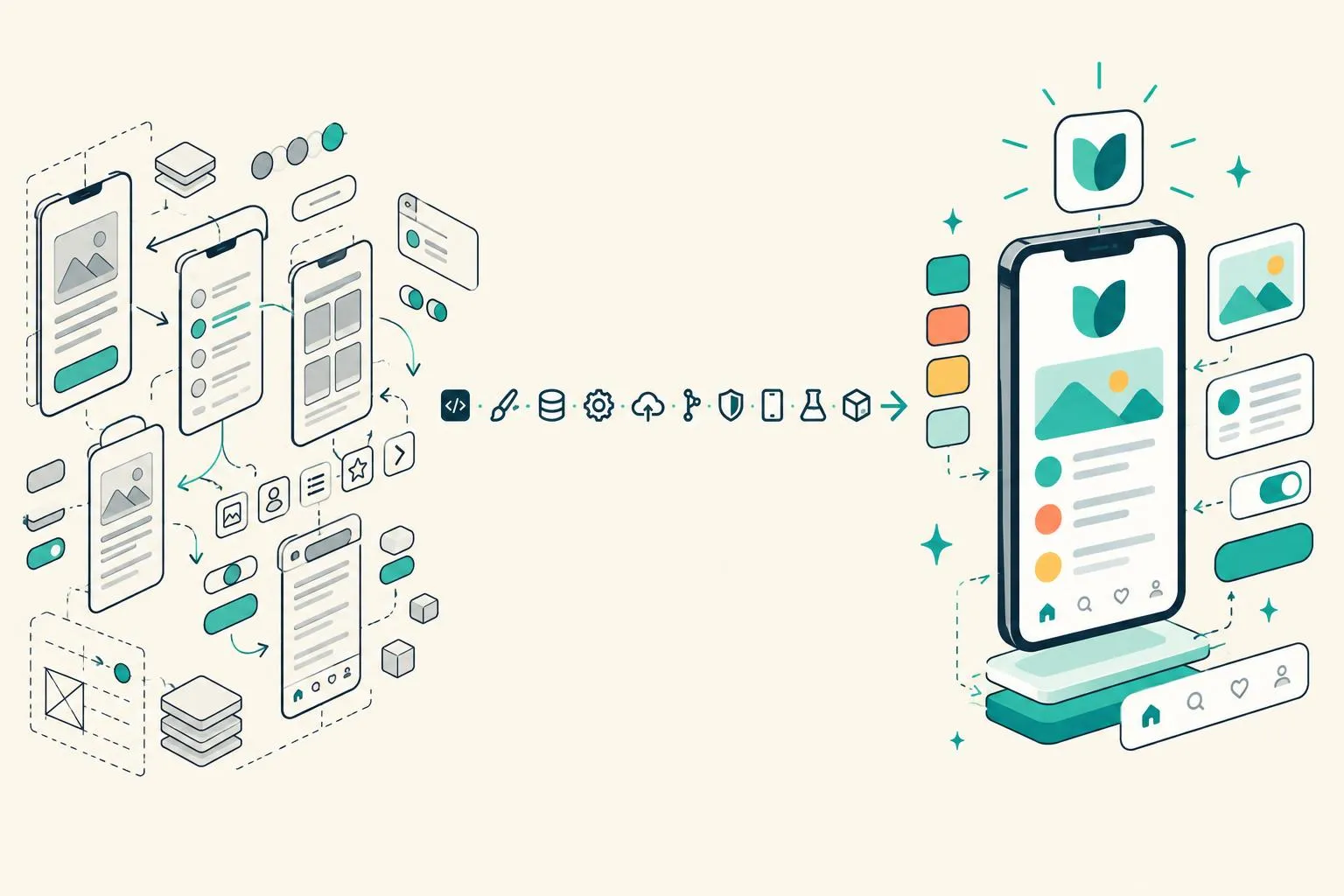
“I want to build something like X” used to unpack into a long list of jobs: requirements, stack, design, development, testing, launch. Claude Code user Jake Schincariol wrote the whole chain as eleven skills. replica-skill is a set of open-source (MIT) Claude skills where one reverse-engineers the app you want to clone, one rebuilds it, one tests it for bugs — and one, the Entrepreneur, reads the original app’s real user reviews and turns the complaints into fixes for your version, which is what gives your clone a reason to exist. The README draws the line hard: it rebuilds what an app does, never what it owns — no source code, no logos, no copy — and the skills enforce clean-room rules internally, with a mandatory rebrand before anything ships. Created October 3, 2026, with no signup and no API key, the repo sits at 5,927 stars.
Core features
- A pipeline with eleven stations:
/replica-reconreverse-engineers screens, flows and the data model from public pages, screenshots, store listings and your own account;/replica-architectplans the stack and schema;/replica-designmeasures screenshots into design tokens;/replica-buildrebuilds screen by screen;/replica-backendwires auth, payments and the database. - Testing and a parity number:
/replica-testwrites Playwright specs per flow and logs bugs until no S1 or S2 remains;/replica-diffscores your clone against the original (the README’s worked example: features 86, booking-page layout 91) so the gap is a number, not a vibe. - The Entrepreneur reads the reviews:
/replica-entrepreneurpulls real reviews from the App Store, G2, Capterra and Reddit, counts the recurring complaints and turns them into a fix plan — in the sample run, 140 reviews surface per-seat pricing, missing reminders and time-zone confusion, each with linked quotes and a stated sample size. - Mandatory rebrand before launch:
/replica-brandnames the clone, re-palettes it and sweeps the codebase until nothing of the original remains;/replica-deployrefuses to ship until preflight — tests, parity, sweep, listing — passes. - Clean-room and compliance boundaries: it only reads what you’re allowed to read, never logs into anyone else’s account and never goes past a paywall. Each skill ships small Python tools (imgdiff for layout diffs, parity scoring) with tests included, and nothing to pip install.
Typical use cases
- Building “a better X” for a niche: the review-mining station is the distinctive one — find out what users hate about the original before deciding what your version fixes first.
- Validating a product idea: run
/replica-entrepreneuron its own against an app you’re considering cloning; the density of complaints tells you whether it’s worth building. - Learning agent workflow design: eleven skills, each owning one stage and handing off through a
replica/folder, is a runnable textbook for structuring long agent chains.
Quick start
No signup, no API key — two install paths. Paste into a Claude conversation:
https://github.com/Jakeschincariol/replica-skill

install skill
Or as a plugin in Claude Code:
/plugin marketplace add Jakeschincariol/replica-skill
/plugin install replica-skill@replica-skill
Then run the chain in order: recon → architect → design → build → backend → test → diff → entrepreneur → brand → launch → deploy. Each skill reads the previous one’s output in the replica/ folder; any station also runs standalone.
Summary
replica-skill fits product people and indie developers who want to reproduce a proven app with Claude Code: the division of labor is clear, the parity score keeps the rebuild honest, and review mining is the genuinely differentiating move. Three honest caveats: the repo has not been updated since its October 3 creation (as of October 27, 2026), with the author’s energy going into the skill series at opusjake.ai; “clone any app” means features and flows only — genuinely complex apps (the README’s own example: a spreadsheet engine) are not a weekend job, and /replica-recon sizes that honestly before you start; and trademark, terms and legal checks remain yours — the skills remind you, they don’t do them. For neighboring takes on agent discipline, compare agent-skills (Addy Osmani’s 25 discipline skills) and ECC (an open engineering config for 71 agents) — replica-skill’s distinguishing move is writing “what you may copy and what you may not” into rules the skills themselves enforce.