SpaceX is reportedly buying 418 homes near its Colossus AI data center — if the owners drop their noise lawsuit
SpaceX subsidiary MZX reportedly offered to buy 418 homes near its Colossus AI data center in Southaven, Mississippi, if owners withdraw from a noise lawsuit.
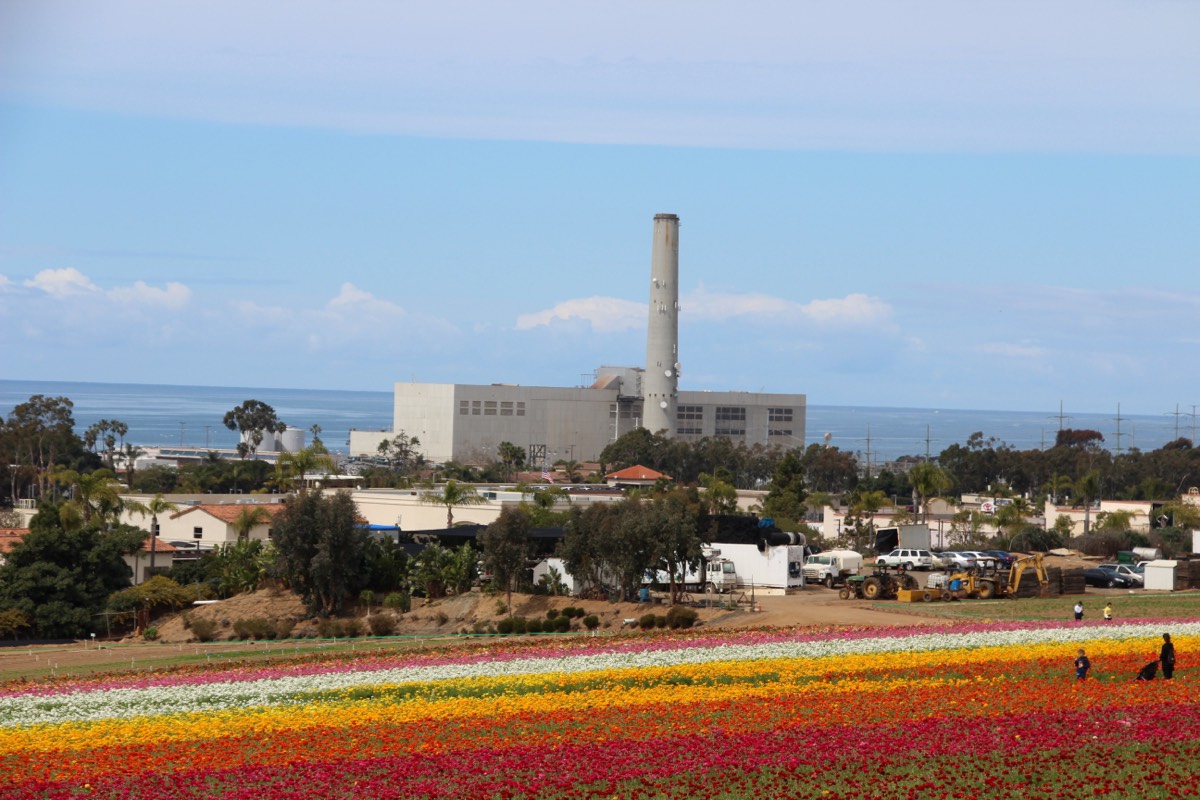
SpaceX’s AI operation — the former xAI, renamed SpaceXAI in July 2026 and then SpaceXSI — is buying houses around its flagship Colossus AI data center through MZX, the subsidiary that runs the Colossus II site. The Guardian first reported the program on October 28: realtors are door-knocking Colonial Hills, a neighborhood on the western side of Southaven, Mississippi, with a target of 418 homes and one condition attached. Sellers have to withdraw from, or promise not to join, a class-action lawsuit over gas-turbine noise. Tom’s Hardware and TechRadar picked the story up; TechRadar’s write-up ran November 4. SpaceX has not confirmed a single offer. The record that does not depend on the company is DeSoto County’s: five homes have transferred to MZX since October 9.
Key points
- 418 homes targeted, 18 owners signed. The Guardian heard a recording of a realtor laying out the numbers to a resident: a 418-home target for Colonial Hills, 18 owners already agreed. County records add five closed sales since October 9.
- The condition is dropping the suit. Offers require sellers to exit or stay out of the noise class action Jason Haley and two neighbors filed in June 2026. Paramedic Gavin Foust turned down his offer over exactly that clause.
- The dispute underneath is about power. The former Duke Energy site next to the data centers has run 69 temporary gas turbines since August 2025 — without the federal permits the law requires, per the EPA as the Guardian reported it. SpaceXSI has promised to remove them within a year as a 1.2 GW gas plant comes online.
Background
The Colossus sites are where Grok is trained. Per the Guardian’s tally, three have gone up in the Memphis–Southaven area since July 2024: Colossus I, Colossus II and a site called Macrohardrr. Musk oversees the build-out in person, spending up to four nights a week in an Airstream trailer nearby. The money for the next round arrived in October, when Musk said SpaceX had closed $40 billion in debt to buy GPUs (see our earlier write-up on SpaceX’s $40B GPU debt raise). Power is the other precondition, and its history is messier.
The former Duke Energy site has been running 69 temporary gas turbines since August 2025. In April 2026, environmental groups and the NAACP sued over air pollution in federal court; the Justice Department tried to block that suit, arguing xAI’s technology was being used “to wage war on Iran” — the national-security argument failed. In July, the company agreed with state regulators to convert the site to a permanent gas-fired facility by next summer. The Southern Environmental Law Center estimates the toxic emissions cost about $44 million a year in health damage. Southaven’s noise ordinance caps sound at 70 decibels; research critics cite says sustained exposure above 50 decibels can harm health. The gap between those two numbers is where the buyout offers live.
The 418-home offer
MZX put its reasoning in an open letter to residents, which the Guardian quotes as saying the company “requires property for its business purposes”. Then realtors started knocking. In the recording the Guardian heard, a realtor names the 418-home target and the lawsuit condition in the same conversation. Mayor Darren Musselwhite told the Guardian and Tom’s Hardware that some of the houses will go to incoming staff as operations expand.
| Item | Figure | Source and date |
|---|---|---|
| Homes targeted | 418 | The Guardian, Oct 28, realtor recording |
| Owners already agreed | 18 | Same |
| Closed sales to MZX | 5 | DeSoto County records, since Oct 9 |
| Local average home price | ~$180,000 | The Guardian |
| Deal prices, clause text | Not public | As of publication |
No deal price has surfaced. The Guardian’s reference point is the local average of about $180,000; piano teacher Elizabeth Rose’s roommate has talked about selling only at three to four times market value — a resident’s number, not a closing price. In the Guardian’s household-level numbers, Haley lives roughly half a mile from the power plant; Rose, about two miles away.
What others say
The residents’ descriptions converge on one point: the noise never stops. “It sounds like an airplane engine but it’s continuous, it’s incredibly loud,” Rose says; she has been woken at 2 a.m. and 3 a.m., and has started calling the area “Elonville”. Haley’s version: “There’s a high-pitched hum and then another sound like an airplane over your house.” He sleeps badly and posts noise-monitoring videos on TikTok. Foust, who refused to sell, calls the program “reckless and shameful” and counts elderly neighbors among those who signed.
The official story is different. Musselwhite says city monitors have never logged a reading above the 70-decibel limit, describes the buyout as having “multiple purposes which are to provide homes for some employees and a goodwill gesture from a good corporate citizen”, and insists it is “not intended to be a company city at this point” — while crediting the project with “unprecedented tax revenue for DeSoto county taxpayers”; a police and firefighter training center came to the city through a land swap. SpaceXSI denies all the allegations, says it has varied power output and built sound-dampening walls, and that it cares “deeply about being good neighbors”.
Opposition is not unanimous either. Tom’s Hardware relays residents barely affected by the noise, local businesses doing more trade, and owners who want out for their own sleep. Politicians have framed the conflict as a matter of national direction: Governor Tate Reeves says restricting data centers amounts to “surrendering the future of technology to China”, Trump has said places that oppose such development will become “backwards and poor”, and Musk put roughly $500 million into Republican campaigns across two cycles, per the Guardian.
Our take
The number worth watching is not 418 — it is the clause. Writing “drop the suit” into a purchase contract turns litigation risk management into real estate: the company never has to win in court, it just has to wait until enough plaintiffs have sold and left, and the class action shrinks on its own. If this structure holds up, expect other power-hungry data center projects to copy it. Its opposite just voted: voters in 13 states rejected at least 38 data center ballot measures in the midterms (see our coverage of the midterm rejects for AI data centers). Public process expressed through ballots and private contracts that dissolve opposition house by house are on a collision course in more towns than this one.
The skepticism to keep: every offer described so far traces to one outlet’s reporting — a recording, an open letter and county records; Tom’s Hardware and TechRadar are relays. The 418 and 18 figures come from a realtor’s recording, not a company filing. Prices, the clause text and the enforceability of a no-litigation condition are all unknown. SpaceX has not confirmed the program; it has only denied the noise and pollution claims. Until the 1.2 GW plant is online and a second batch of deeds shows up in county records, the right tense for this story is “reportedly”, not “done”.