Tesla opens Cybercab personal sales: $29,990 plus a mandatory $299-a-month subscription
Tesla opened Cybercab personal orders to select customers on Nov 14: $29,990 plus a mandatory $299/month subscription, no commercial use, December deliveries.
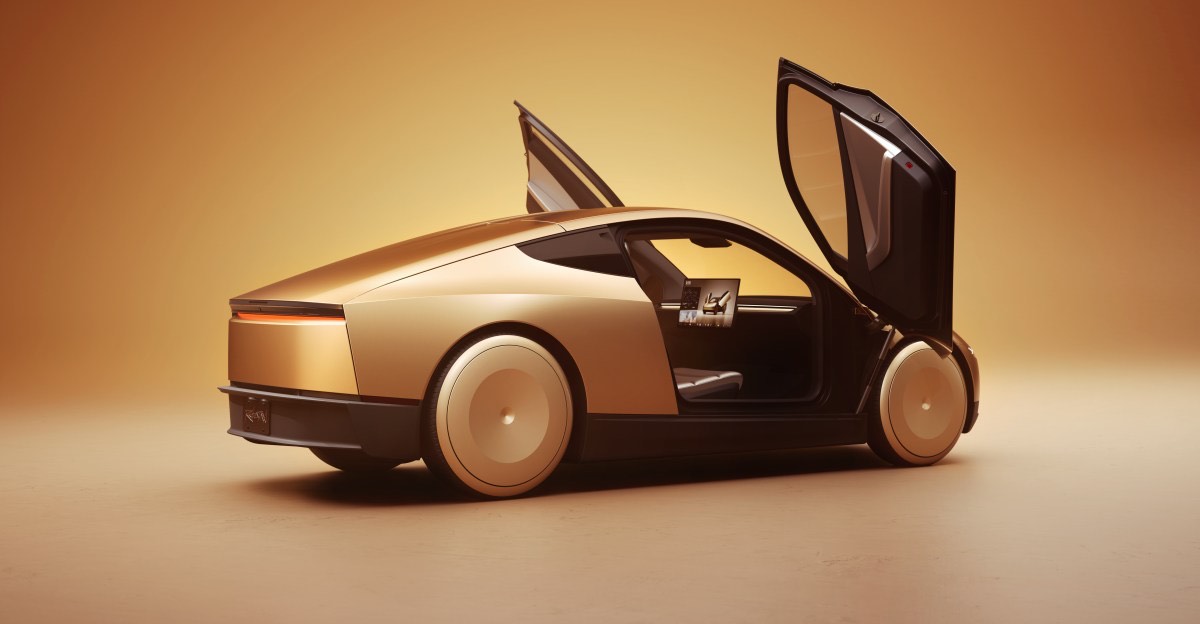
Tesla began inviting a hand-picked group of customers to order a Cybercab for personal use on November 14, through the official Robotaxi account on X and invite emails. The order page and terms, verified through the screenshots The Verge published (Digital Trends’ embed dates the original post to November 13), put the sticker at $29,990 — but the number that defines the deal sits under it: a mandatory $299-per-month Autonomy Subscription, a $1,000 non-refundable deposit, and order terms that prohibit any commercial use, including on Tesla’s own Robotaxi network. Deliveries start in December, and only in the Texas cities where the Robotaxi service currently runs.
Key points
- The Cybercab lists at $29,990, but the Autonomy Subscription is mandatory: $299 a month, first month included. Over a five-year hold, The Verge puts the real baseline near $47,600 before taxes, charging and insurance — more than a Model 3 or Model Y you can drive anywhere.
- Order terms ban commercial use outright: no Uber, no DoorDash, no adding the car to Tesla’s own Robotaxi network. The subscription does not include insurance, and each buyer is limited to one car.
- The car has no steering wheel, pedals or mirrors and does not comply with current Federal Motor Vehicle Safety Standards. NHTSA has opened a formal audit into Tesla’s self-certification, and Tesla’s sworn response is sealed while deposits keep coming in.
Background
The personal-ownership pitch dates to Elon Musk’s “We, Robot” event in October 2024, where he promised buyers could add a Cybercab to Tesla’s network and earn passive income while they sleep — with no mention of a subscription. Since then the operational picture has filled in: fare-charging driverless rides began in Austin on September 3, and 278 Cybercabs are now in operation, roughly 40 percent of the Robotaxi fleet according to the crowd-sourced Robotaxi Tracker. On the supply side, Cybertruck production winds down around mid-2027 to free capacity for Cybercab. The timing is also notable: just weeks earlier, Tesla executives told investors that the vast majority of Cybercabs would be owned and operated by the company itself, as Digital Trends noted. Opening personal sales is a turn from that plan.
The fine print
Cybercab personal order terms, cross-checked between The Verge and Digital Trends, are the most instructive part of this story:
| Item | Term |
|---|---|
| Sticker price | $29,990 |
| Mandatory subscription | $299/month Autonomy Subscription (first month included); covers autonomous driving, maintenance and towing, excludes insurance |
| Five-year subscription cost | $17,940; The Verge estimates the baseline near $47,600 before taxes, charging and insurance |
| Deposit | $1,000, non-refundable |
| Delivery | December 2026 window, not guaranteed |
| Where | Only Tesla’s existing Robotaxi service cities; Digital Trends lists Austin, Dallas, Houston, San Antonio and Fort Worth; one car per buyer |
| Operating range | Tesla’s existing geofenced service areas |
| Commercial use | Explicitly prohibited: no Uber, no DoorDash, no Tesla Robotaxi network |
| Safety compliance | No steering wheel, pedals or mirrors; non-compliant with current FMVSS; NHTSA audit open |
Two clauses deserve a closer read. First, the subscription is the car’s lifeline: cancel it on a normal Tesla and FSD just reverts the car to manual, but a Cybercab without its subscription cannot be used on public roads at all — there is no manual fallback, and The Verge’s word for the result is “brick”. Cancel, or have Tesla suspend access, and there is no partial refund for the rest of a paid month. Second, the price is not locked: Tesla only has to give 30 days’ notice before raising it, and keeping using the service counts as agreeing to the new terms. Tesla has not explained how invited buyers are selected, or how many units go to private sale versus its internal fleet. And since the subscription excludes insurance, nobody — Tesla included — has said how a driverless car gets underwritten, or how liability splits between owner and company after a crash.
What others say
Elon Musk’s own reply is the sharpest data point. Responding on X to YouTuber Marques Brownlee — who had pledged to shave his head if Tesla delivered a sub-$30,000 Cybercab before 2027 — the CEO called the $299 monthly fee “too high”, said it should match the roughly $115 a month that FSD plus connectivity costs on other models, and confirmed the Cybercab “will become available nationwide as we receive regulatory approval” (Digital Trends embeds the post; The Verge recorded the same comments). The Verge’s editorial note is worth keeping alongside the promise: Elon Musk routinely frames regulatory approval as the main external bottleneck, which shifts attention away from Tesla’s own timelines. Brownlee, for his part, says his hair is safe. On product pacing, Tesla AI chief Ashok Elluswamy has floated Q2 2027 as the earliest point where customer-owned cars might join the network — meaning early buyers have no way to monetize the car for at least a year.
The regulatory picture comes from Electrek’s November 5 report on audit AQ26002. After opening the audit in September, NHTSA issued a Special Order with 21 questions, with civil penalties of up to $139 million per incomplete answer and criminal exposure for false ones. Tesla asked for eight more weeks; NHTSA granted 30 days, and Tesla met the October 30 deadline — then marked the entire response confidential. The public docket holds a one-page letter, a placeholder, and a first-responder guide Tesla has published since July. The standards at issue are FMVSS 135 (brakes on a foot control), 108 (self-canceling turn signals) and 111 (mirrors), plus why Tesla skipped the Part 555 exemption route Zoox took, which is capped at 2,500 vehicles a year. Meanwhile Waymo announced its Toronto expansion in October — competitors are widening their footprints while this audit stays open.
Our take
For anyone tracking how autonomy gets sold, the Cybercab order terms are a clean specimen of subscription-based ownership: you hold the title, Tesla holds the usability. It rhymes with what Elon Musk said about Optimus possibly being rental-only two weeks earlier — hardware priced low, revenue pulled through a recurring fee. The honest catch is that a deposit today buys a position in line for a car the federal government has not ruled street-legal, tied to a subscription that can be repriced on 30 days’ notice, on a car you are not allowed to earn money with. The two unknowns that matter more than the sticker are insurance pricing for driverless vehicles and the liability split after a crash. Until those have answers, this is a Texas-only experiment with a queue attached, not a product you can plan around.
What to watch
- December: whether the first personal deliveries land on schedule, and which cities they cover.
- NHTSA: the Chief Counsel’s Part 512 ruling on Tesla’s confidentiality claim, which could force the certification argument into the open.
- Q2 2027: the earliest window Ashok Elluswamy has offered for customer cars joining the network — the first real exit from the commercial-use ban.