Amazon Leo builds its 1,000th satellite, service weeks away
Amazon built its 1,000th Leo broadband satellite, 27 a week, with 396 in orbit and commercial service weeks away — promising gigabit downlink; Delta signed.
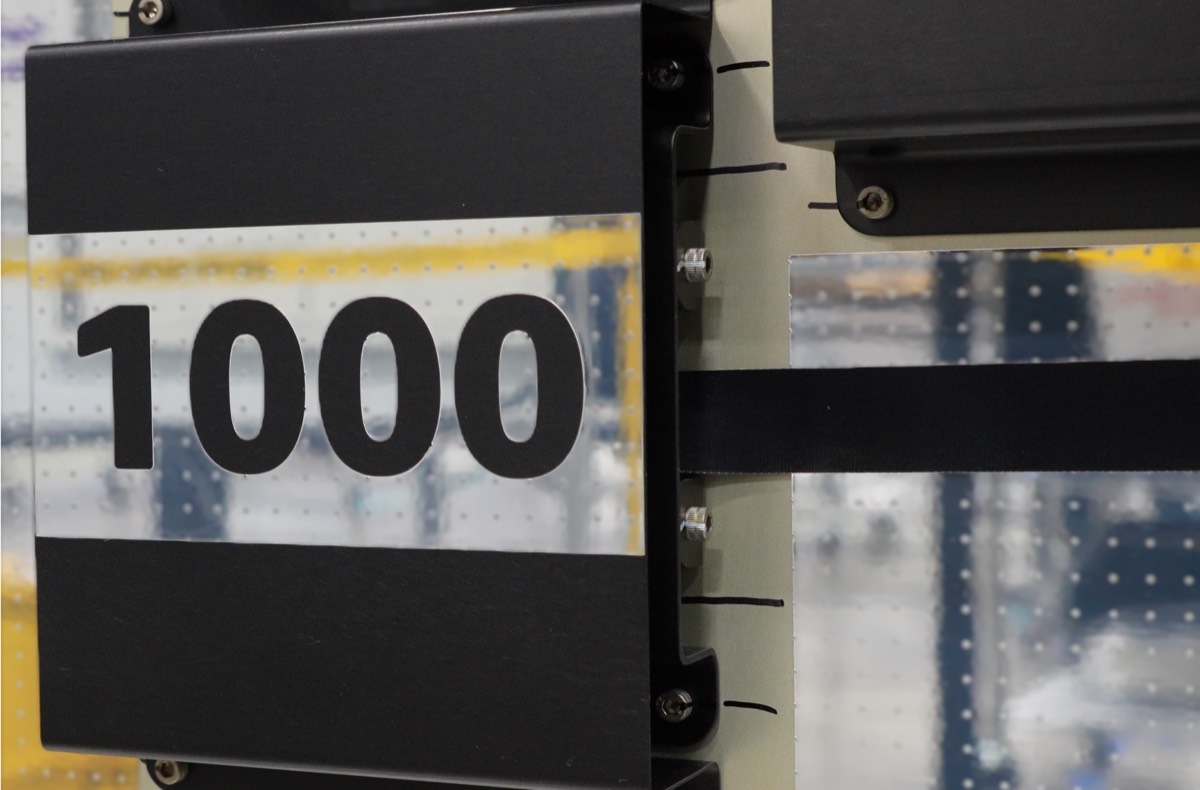
Amazon has built its 1,000th Leo (formerly Kuiper) broadband satellite at its factory outside Seattle, Ars Technica reported on October 8, and the company says initial commercial service will start within 2026, with the remaining required launches “weeks away.” The Kirkland, Washington plant now produces roughly 27 satellites a week, and the 396 already in orbit clear the bar for initial service. Starlink finally has a rival with comparable manufacturing scale.
Key points
- Production is at 27 per week: the first 27 satellites took six months; the 170,000-square-foot factory went from an empty building in December 2022 to operational in 15 months.
- Commercial countdown: the first remaining launch (a Vulcan) is weeks out, with an Arianespace flight and at least one more Vulcan this year; about 100 launches are booked across four rocket providers.
- The gap is deployment: orbit count stands at 396 — unchanged since July, per The Next Web — against a 3,232-satellite first-generation constellation, and the FCC has already stripped spectrum priority from satellites launched past its deadline.
Background
Amazon’s rival in satellite broadband is a single company, but a large one: we previously covered Starship Flight 14 paving the way for Starlink’s next-generation fleet — SpaceX’s edge is launch cadence. Leo program chief Rajeev Badyal held the same job at Starlink once before, until Musk fired him for moving too cautiously; eight years later he returns with a matching manufacturing system. The regulatory backdrop matters just as much: the FCC required 1,616 satellites deployed by July 30, 2026. Amazon missed it, and the FCC waived the deadline while removing interference priority in Ka and Ku bands for everything launched after — new satellites must yield to Starlink unless Amazon proves hardware and launches are secured, with restoration possible from October 2027. The 1,000th satellite plus two rockets standing vertical is that proof, made public.
The facts
| Metric | Figure |
|---|---|
| Factory | Kirkland, WA; 170,000 sq ft; empty building Dec 2022, operational in 15 months |
| Production | about 27/week (first 27 took 6 months) |
| In orbit | 396 (enough for initial service, far below the first-generation target) |
| Gen-1 constellation | 3,232 satellites; Gen 2 already filed with the FCC |
| FCC milestone | 1,616 by July 30, 2026 — missed; waived without spectrum priority, restorable from Oct 2027 |
| Performance claims | about 1 Gbps down / 400 Mbps up (company claim, vs Starlink at roughly 350/40) |
| Launches | about 100 booked, four providers; Vulcan was grounded over a nozzle fault, New Glenn had a pad explosion in May |
| Known customers | Delta Air Lines (moving from Starlink); Vodafone/Vodacom in beta across Europe and Africa since April |
The performance numbers are all Amazon’s own, and Ars Technica labels them as such. The commercial progress is more concrete: Delta’s in-flight Wi-Fi order has moved from Starlink to Leo — per Yahoo Finance, the deal carries baggage from a public feud between Musk and Delta CEO Ed Bastian — and The Next Web adds the European thread, with Vodafone and Vodacom as beta customers since April.
What others say
Ars Technica centers the manufacturing story: the ramp from 27 satellites in six months to 27 per week, the “second-largest satellite manufacturer behind SpaceX” framing, and the factory details — empty building to operational in 15 months — which come from Amazon itself. The Next Web points its camera at the gap: the distance between building fast and launching slow, the cost of lost FCC spectrum priority, and Europe’s response — a plan to ringfence two-thirds of the 2 GHz mobile-satellite band for European operators, while the IRIS2 constellation signed in August carries no customers until 2030. Both outlets agree on one point: “weeks away” refers to the start of service, not its scale.
Our take
Manufacturing is solved; launch and deployment are the bottleneck — the distance from 396 to 3,232 satellites gets filled by Vulcan and Arianespace reliability, and both have recent failures (one grounded, one pad explosion). For users, aviation Wi-Fi and enterprise private networks benefit first: gigabit downlink plus private networking, if delivered, squeezes Starlink’s enterprise pricing power for the first time. For watchers, the October 2027 spectrum-priority restoration review is the next hard milestone. Honest uncertainty: performance figures and the service timetable are Amazon’s claims, and there is no hedge against launch-slip risk.