Governments across Asia respond to Nvidia CEO Jensen Huang's exit with supply answers and investigation updates
Per TechCrunch (Nov 14): Korea says Nvidia reaffirmed a 260,000-GPU plan, Singapore detailed the Megaspeed probe, China and Taiwan also responded.
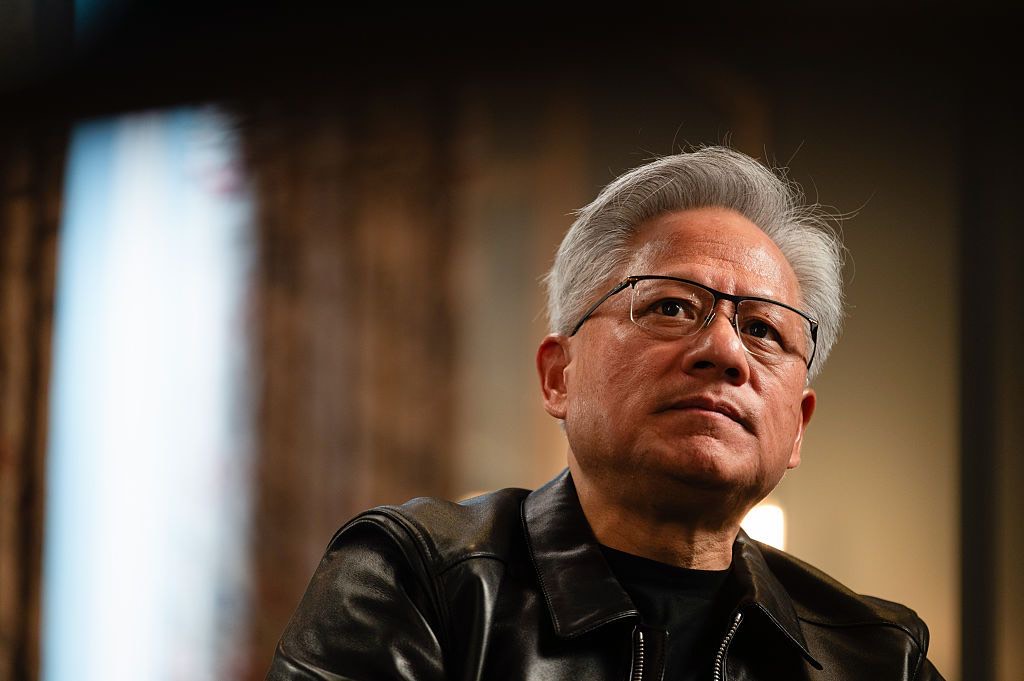
Nvidia co-founder and CEO Jensen Huang left the company on November 12, and within days governments across Asia answered publicly. Per a TechCrunch roundup published November 14, South Korea’s science ministry says Nvidia reaffirmed a plan to deploy up to 260,000 GPUs in Korea, Singapore’s Home Affairs Ministry disclosed where its Megaspeed investigation stands, and China’s foreign ministry, Taiwan’s economy ministry and city government, and Japan’s top spokesperson all responded.
Key points
- Science Minister Bae Kyung-hoon said Nvidia reaffirmed a plan to deploy up to 260,000 GPUs in Korea; the presidential AI strategy council met urgently on November 13.
- Singapore’s MHA says Alice Huang’s passport was seized in June 2025; police found insufficient evidence in February 2026 but concluded she knowingly gave inaccurate information about her Megaspeed role. The probe into Megaspeed and six others continues.
- Foreign ministry spokesperson 毛宁 said on November 13 she was “not aware of” reports that export-banned Nvidia chips surfaced in a Shanghai data center, and opposed export-control abuse.
Background
The exit happened on November 12, with CFO Colette Kress stepping in as interim CEO, days after Nvidia’s board launched an independent investigation into reports that its CEO had been targeted by a foreign intelligence operation (see our earlier coverage). At the center of that probe: Megaspeed’s former executive Alice Huang — which is why TechCrunch’s roundup puts Singapore at the center. Her file is the only one among these statements with a full timeline. The market side we covered in our entry on the post-exit funding gap; this round of statements moves the story into supply commitments and law enforcement. Reuters adds the backdrop: over $3 billion in Chinese AI computing projects are built around restricted Nvidia chips, and the exit plus tighter US scrutiny raise the risk on all of them.
What each government said
The reactions differ in emphasis, and the difference says what each capital is worried about.
Korea answered first and most concretely, because it is one of Nvidia’s biggest buyers. Science Minister Bae Kyung-hoon posted on Facebook — titled “Jensen Huang’s resignation, but cooperation continues” — that Nvidia reaffirmed a commitment to deploy up to 260,000 GPUs with Korean partners; per Yonhap, the ministry met Nvidia to go through pending items. The presidential Council on National AI Strategy met the same day. The GPUs map onto the October APEC-summit package: Samsung, SK, Hyundai Motor and Naver Cloud each building Blackwell-powered AI data centers.
Singapore disclosed law-enforcement detail. Per its Home Affairs Ministry (relayed by Mothership and TechCrunch): on June 24, 2025, the US Bureau of Industry and Security ran a post-shipment check at Megaspeed, and the same day Singapore police interviewed Alice Huang and impounded her passport. In February 2026, police and the Attorney-General’s Chambers found insufficient evidence of offenses over suspected false declarations, but assessed that she had knowingly given inaccurate information about her role at Megaspeed; she got a stern warning, a re-entry ban and her passport back on February 26. Investigations into Megaspeed and six others continue, and per AsiaOne five people have been charged in a related fraud case. TechCrunch adds Singapore’s complaint that US authorities offered only “limited assistance” on Supermicro server destinations.
China’s foreign ministry drew a line and pushed back at once. Asked on November 13 about reports that export-banned Nvidia chips had surfaced in a Shanghai data center linked to Alice Huang, spokesperson 毛宁 said: “I am not aware of the situation.” On a second question about a proposed US chip bill to stop Chinese companies remotely using US compute abroad, she said China “has always opposed the abuse of export control measures” that disrupt global supply chains, “which serves no one’s interests.” TechCrunch cites the ministry’s November 10 line: the spy allegations are “groundless” and a smear.
Taiwan talked about projects on the ground. Economy Minister Kung Ming-shin said Huang’s departure was unlikely to significantly change global AI industry growth. Taipei’s city government said Nvidia’s planned overseas headquarters at the Beitou-Shilin Technology Park remains on track and its subsidiary has met all contractual obligations; per Focus Taiwan, it signed a 50-year land-rights deal worth NT$12.2 billion (US$371 million) in February and cleared the foundation-work review on November 5.
Japan was the most cautious. Deputy Chief Cabinet Secretary 尾崎 said on November 13 it was too early to assess the impact of the management change on the global AI industry, while stressing that AI and semiconductors are vital to Japan’s growth and security and that the government will keep working toward stable chip supply.
The facts
The verifiable statements, in one table:
| Country | Who | What was said | Source |
|---|---|---|---|
| South Korea | Science Minister Bae Kyung-hoon | Nvidia reaffirmed up to 260,000 GPUs for Korea | Yonhap |
| South Korea | National AI Strategy Council | Emergency meeting held Nov 13 | TechCrunch |
| Singapore | Home Affairs Ministry | Probe into Megaspeed and six others ongoing; Alice Huang warned, re-entry ban in February | Mothership |
| China | MOFA spokesperson 毛宁 | “Not aware” of Shanghai data center reports; opposes export-control abuse | China Youth (press conference) |
| Taiwan | Economy Minister Kung Ming-shin | Exit unlikely to significantly change global AI growth | TechCrunch |
| Taiwan | Taipei City Government | Beitou-Shilin HQ on track; subsidiary has met obligations | Focus Taiwan |
| Japan | Deputy Chief Cabinet Secretary 尾崎 | Impact too early to assess; stable chip supply continues | TBS via Bloomberg |
A few numbers need unpacking. The 260,000 GPUs are an “up to” figure tied to the October framework, not a new commitment. Reuters’ $3 billion covers total project investment — buildings and power included, not just chips — and the report states the projects were not linked to Megaspeed or Alice Huang. The Standard’s republication cites a Gansu facility expecting thousands of H100, H200 and H800 chips whose arrival is unclear.
Our take
This round of statements splits “what does the CEO’s exit mean” into three checkable questions. On supply, Korea got Nvidia’s reaffirmation — but “up to 260,000” is a flexible ceiling, and the real test is delivery pace. On enforcement, Singapore’s probe is independent of Nvidia’s board investigation, and the chase for six more individuals shows the case is bigger than one person. On projects, Taipei’s contract reassurance and Beijing’s “not aware” both say everyone is waiting for interim CEO Colette Kress’s first substantive move. The honest limitation: TechCrunch’s piece is itself a roundup — we traced the Korean and Chinese statements to Yonhap, TechCrunch and the press-conference transcript, but the economy minister’s line exists, as far as we could find, only in TechCrunch’s retelling. Watch November 18, when the CEO is invited to brief Congress behind closed doors, and Singapore’s next move on the six.
Earlier stops on this story: the board’s independent investigation and the post-exit funding gap.