Memory climbs toward 40% of flagship phone BOM — six times the display — and screens pay the price
UBI Research sees memory near 40% of flagship phone BOM by late 2026, six times the display; Counterpoint measured 42% in Q2. Makers are cutting screen specs.
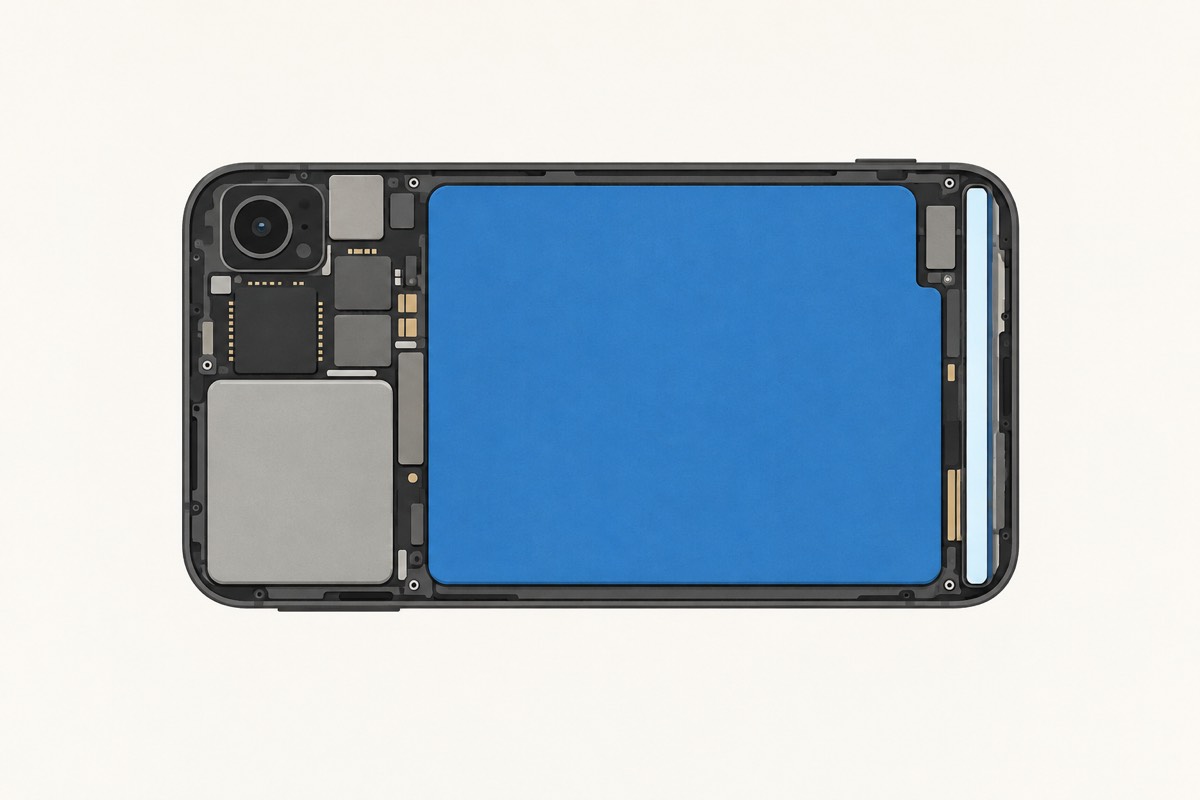
On October 13, UBI Research, the Korean display-industry research firm, published an analysis of how memory is reshaping smartphone costs: by the second half of 2026, it estimates, memory will account for roughly 40% of a flagship phone’s bill of materials, while the display falls to single digits — a gap of nearly six to one. In early 2025 the two line items were about even. Since memory prices can’t be negotiated down, UBI’s conclusion is that handset makers are squeezing the display side instead: some Chinese brands have already rolled high-end screens back from LTPO to LTPS panels and are trimming refresh rates to save a few dollars per unit.
Key points
- UBI Research’s October 13 analysis: memory reaches about 40% of flagship-phone BOM in 2H 2026, roughly six times the display’s share; DRAM has overtaken the application processor as the single most expensive component in a flagship.
- Counterpoint’s measured numbers: memory was 42% of premium-phone BOM in Q2 2026 (DRAM 24% + NAND 18%), up from 13% in Q1 2025, and is forecast to hit 43% in Q3.
- The downgrades are already happening: TrendForce-tallied Galaxy Z Fold8 pricing rose by up to ₩510,000 in Korea, and UBI reports Chinese makers moving high-end screens from LTPO back to LTPS.
Background
The supply side explains the squeeze: HBM demand is pulling wafer capacity, and the memory makers are booked out for years. We covered Micron’s CEO saying 75% of its 2027 output is already committed, with the shortage running through 2028 (memory shortage through 2028). PCs took the first hit — Omdia’s cost accounting has memory and storage climbing from a typical ~15% of PC BOM to nearly 40%, and IDC logged a 20.1% year-over-year shipment drop in Q3 2026 (PC shipments fall 20.1%). Phones are next. UBI’s framing: memory and display cost the same inside a flagship in early 2025; eighteen months later one is nearly six times the other, and the AP and camera shares are being diluted along the way.
Three estimates
Three research firms now agree memory dominates phone hardware costs, but their scopes differ, and the numbers should not be quoted interchangeably. UBI’s ~40% is an analysis of flagship phones for 2H 2026. Counterpoint’s 42% is a quarterly measurement across premium phones. TrendForce’s 34% is a single-model estimate for the iPhone 18 Pro. They don’t conflict — the more premium the device and the larger its storage config, the higher the share.
| Firm | Scope | Memory share of BOM | Point in time |
|---|---|---|---|
| UBI Research | Flagship phones (analysis) | ~40%, about 6× the display | 2H 2026 (forecast) |
| Counterpoint | Premium phones (measured) | 42%; 43% forecast in Q3 | Q2 2026 |
| TrendForce | iPhone 18 Pro 256GB (estimate) | ~34%; past 40% in 1H 2027 | Q3 2026 (forecast) |
The speed comes through in Counterpoint’s detail. Per Korea’s Newsis (July 31), on its baseline spec — LPDDR5X 16GB, UFS 4.1 512GB, a Snapdragon 8 Elite-class SoC — premium-phone memory share went from 13% in Q1 2025 to a forecast 43% in Q3 2026, more than tripling in six quarters. DRAM alone went from 5% to a forecast 25%, while the SoC’s share fell from 31% to 22% over the same period.
The facts
UBI’s October 13 analysis, claim by claim:
- Midrange phones already carry memory at about 40% of cost today; on sub-$400 phones, memory is more than half.
- Citing Chinese industry sources, it puts the procurement price of a 12GB+256GB combo at more than four times its level a year ago.
- On Apple’s latest Pro model, memory’s share of BOM has risen from about 10% a year ago to the 30% range (UBI’s estimate).
- Generic 6.7-inch flexible OLED panels now sell for half their early-2023 price — which is why display orders can be pushed down.
- Storage capacity can’t be cut easily because AI features consume it, so the rest of the BOM absorbs the increase.
- Apple has already passed part of the cost increase into new iPhone prices, and UBI expects this year’s flagship margins to come in below last year’s.
Counterpoint’s readings of the price moves are blunter: smartphone memory prices rose more than 80% quarter over quarter in Q2 2026, entry-level phone BOM was up 70% year over year, midrange up 52%, and premium up about 50%. The 1TB iPhone 18 Pro Max is expected to cost $300 more to build than its predecessor.
Screen downgrades
The display is the first component giving way. UBI reports that some Chinese makers have moved part of their high-end lineup from LTPO panels back to LTPS OLED, saving a few dollars per set, with LTPO reserved for top-tier models; cutting refresh rates and adjusting backplane specs are the other two levers. Midrange APs and cameras are being dialed down across the board.
| Move | Detail | Source |
|---|---|---|
| LTPO rolled back to LTPS | Part of Chinese high-end lines, a few dollars saved per unit | UBI Research |
| Lower refresh rates, backplane cuts | The display side’s main cost levers | UBI Research |
| Midrange AP and camera spec cuts | Widespread | UBI Research, Counterpoint |
| Price hikes | Galaxy Z Fold8 up to +₩510,000; Apple partially passed costs on | TrendForce, UBI Research |
The price side has landed too. Per ER Economic Review (Econovill, August 11), TrendForce estimates the 256GB iPhone 18 Pro’s BOM is up about 38% over its predecessor, and Samsung’s Galaxy Z Fold8 Ultra, Z Fold8 and Z Flip8 — launched in Korea on July 7 — rose by up to ₩510,000, officially attributed to surging mobile DRAM contract prices and HBM pulling supply.
What others say
A senior Counterpoint analyst told Newsis that 2nm SoCs will push component costs higher again, and that margin recovery will be hard even if launch prices rise. TrendForce expects Android makers to raise prices more steeply than Apple, with budget lines most exposed and global phone output under pressure from 2H 2026 into 2027. UBI, writing from the display industry’s side of the table, argues that mid- and low-end panels face relentless spec and price pressure, and that panel and material makers’ profits now depend on the LTPO, tandem-stack and foldable share of their mix — until memory prices settle, the squeeze doesn’t stop.
Our take
If you’re buying a phone, UBI’s analysis points to one concrete check: when the next flagship lands, read the display spec sheet for LTPO and refresh rate before anything else — that’s where makers are most likely to cut first. If you build hardware, the lesson is to lock memory pricing earlier in the cycle; trimming specs afterwards can’t catch up with the price curve. One caveat worth keeping straight: “40%” is not a measured flagship figure. UBI’s number is a 2H 2026 forecast, Counterpoint’s 42% is measured but covers premium phones, and TrendForce’s 34% is a single-iPhone estimate — three different samples. The two things worth watching over the next couple of quarters are when memory contract prices peak, and whether top-tier tandem and LTPO panels hold the line.