TSMC posts record Q3, lifts 2026 outlook to ~44% growth, and adds more 3nm fabs in Tainan
TSMC Q3 2026 revenue hit a record US$46.72B with net profit up 68.7%; full-2026 growth guidance was raised to ~44% and two more 3nm fabs are planned in Tainan.
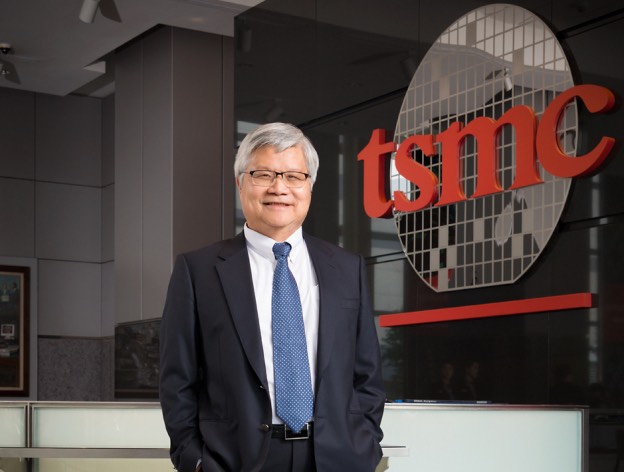
TSMC reported its third-quarter 2026 results on October 15: consolidated revenue of NT$1.49 trillion (US$46.72 billion) and net income of NT$763.06 billion, up 68.7% year over year, with EPS of NT$29.43 — all quarterly records, and the sixth consecutive quarter of record profit. On the earnings call the same day, CEO C.C. Wei raised full-year 2026 revenue growth guidance, in US dollar terms, from roughly 40% to roughly 44%, announced two more 3nm fabs in Tainan, and held the 2026 capital-expenditure budget at US$60–64 billion. The upstream gate for global AI compute just told its customers, in writing, to expect more of the same scarcity.
Key points
- Q3 2026 revenue was NT$1.49 trillion (US$46.72B, +41.2% YoY in USD terms); net income NT$763.06B (+68.7%); EPS NT$29.43 — all single-quarter records.
- Q4 guidance is US$52.3–54.3B, about +58% YoY; full-year 2026 guidance moved to ~44% growth from ~40%; capex stays at US$60–64B.
- Wei called the AI supply–demand gap “still quite big” and said his AI-accelerator growth estimate “probably will be higher”; the two Tainan 3nm fabs start production in H1 2027 and H1 2028.
Background
TSMC manufactures nearly every leading-edge chip on the market, which puts Nvidia, Apple and every cloud provider building custom silicon in the same queue. Microsoft’s newly unveiled Maia 300 inference chip, for instance, puts its compute chiplets on TSMC’s N2P process. The shortage has spread well past logic dies: we previously covered Micron’s warning that 75% of its 2027 memory output is already booked and the squeeze runs through 2028, and on the demand side OpenAI just reshuffled its compute organization as buyers reposition around constrained supply. In July, after Q2, TSMC still described 2026 as “about 40%” growth. Three months later, that figure is roughly 44% — the second half turned out stronger than management itself expected.
The facts
The Q3 scorecard, per TSMC’s press release (TIFRS, consolidated, as compiled by TrendForce):
| Metric | Q3 2026 actual | Change |
|---|---|---|
| Revenue | NT$1.49T / US$46.72B | +50.9% YoY (NT$), +41.2% YoY (US$), +17.6% QoQ |
| Net income | NT$763.06B | +68.7% YoY, +8.0% QoQ, sixth straight record |
| EPS | NT$29.43 (US$4.60 per ADR) | +68.7% YoY |
| Gross margin | 66.4% | Operating margin 58.7% |
| Advanced nodes | 79% of wafer revenue (7nm and below) | 3nm 33%, 5nm 28%, 2nm 8% (up from 3%) |
| HPC platform share | 68% | +22% QoQ; smartphones 21% |
Guidance and spending: Q4 revenue is guided to US$52.3–54.3B — about +14% QoQ and +58% YoY at an assumed NT$31.8 per dollar — with gross margin of 65–67%. Full-year 2026 growth in USD terms is now ~44%. Capex is reiterated at US$60–64B, of which US$13.8B was spent in Q3, and the company said spending across 2026–2028 will be significantly higher than the previous three years.
The capacity moves are concrete: annual N2 (2nm) capacity will more than double in 2027; the two new Tainan 3nm fabs enter production in H1 2027 and H1 2028; Arizona’s second fab was pulled in to Q3 2027; and Japan’s second fab, also on 3nm, targets 2028. Wei also closed the secondary market: customers may not sublet or auction allocated capacity — the only exception being mask-licensing deals, which he called very small — and any TeraFab arrangement, he said, would have to be run by TSMC.
What others say
The wires framed the same morning differently. Reuters headlines paired the record profit (up about 69%) with the company turning “prudent” going into 2027; CNBC highlighted the sixth straight record quarter; Barron’s noted the stock slipping after the print. Among banks, the Commercial Times relayed that Morgan Stanley had forecast a 67.5% Q3 gross margin — the actual figure was 66.4% — while JPMorgan’s Gokul Hariharan argued high 3nm/5nm utilization plus price hikes offset the 2nm ramp and overseas-fab costs. Wei was the most direct voice on the call: “We did not see any sign of slowdown,” he said, adding that “every AI player is working with TSMC” and that his long-term AI-accelerator growth estimate “probably will be higher.” The prudence, he clarified, applies to consumer and price-sensitive markets in 2027 — not to leading-edge AI demand.
Our take
The number worth remembering here is not 68.7% — it is “still quite big.” TSMC is the choke point for advanced compute, so a guidance raise means demand is still accelerating, and the ban on subletting capacity means the shortage cannot clear through a secondary market: if you are buying GPUs, renting capacity or budgeting for inference, do not count on prices easing soon. The honest caveats: the Q4 margin guide rests on an NT$31.8 exchange-rate assumption, the 2nm ramp is still dragging on cost, consumer demand already carries the “prudent” label for 2027, and the ~44% is a USD figure — currency swings flatter or dent it without changing how many wafers ship.
What to watch
Three dated checkpoints for TSMC’s expansion: H1 2027, when the first new Tainan 3nm fab enters production; Q3 2027, for Arizona’s second fab; and the January 2027 earnings report, which will show whether the ~44% full-year guide and the US$60–64B capex budget survive contact with the fourth quarter.